


Estimated reading time: 12 minutes
Whether you are a first-time home seller or have been in the business, did you know that there are things you don’t need to tell your realtor?
As you may have noticed, the real estate market in Canada has experienced a surge, with home sellers cashing in and moving on.
On our street, which has about 40 homes, we’ve seen five houses go up for sale from May to August.
What was interesting was how they sold for over the asking price of $100,000.
There is a house around the corner for sale at $ 1.2 million that’s no bigger than ours, but it has a pool.
Mrs. CBB and I chuckle because we can’t get over what is happening in real estate.
In a previous blog post, I shared with you what home buyers should avoid telling their realtor.
Knowing what you should or should not say is essential to protect your privacy and buying power.
Let’s take a leap and discuss what home sellers should avoid telling their realtor.
Home Sellers Must Trust Their Realtor
There’s no shortage of shady realtors, so buyers and sellers must be cautious about what they disclose.
I don’t care what type of transaction you make with real estate. It’s always “Buyer Beware.”
Why? Because you don’t always know what your realtor is telling potential buyers.
After two days of house hunting with a friend, I noticed a few things home sellers should dodge telling a realtor.
A good realtor will offer you full disclosure and tell you to walk away from a house that they should avoid.
Although the realtor is not legally held accountable for things they do not know or were not disclosed to them by the home sellers.
That, to me, is a trustworthy realtor looking out for a client who is buying a house, perhaps a first-time buyer with no experience.
When home sellers hire a realtor, a good realtor will ask all the right questions, avoiding what they do not need to know.
Although I was there to help look for obvious problems and share my opinion with my friend, I felt more like an investigator.
As simple a process as you might think, buying a house depends on the realtor you hire.
I often suggest interviewing a few realtors before finding one with whom you’re comfortable working.
Quick Tips From RECO
The Real Estate Council of Ontario (RECO) is a valuable resource for buyers and home sellers.
Confirm your real estate professional registration using RECO’s professional search feature on their website.
In Ontario, brokers and salespersons must be registered under REBBA 2002 to trade in real estate.
Remember to read everything carefully before signing and ask questions if any information is unclear.
Agreements are legally binding contracts; therefore, it is essential to understand their terms and conditions.
It may be helpful to include someone you trust during the negotiation process to translate unfamiliar documents for you.
Ask your family or friends about their real estate experiences and if they would recommend a particular real estate professional to you.
You can read more here.
Important Changes To RECO
What are the most significant changes?
Several key reforms in the legislation will enhance protection for Ontario’s buyers and sellers.
Here are a few highlights, but you can read more here.
- Adding clarity for buyers and sellers so that they know whether a brokerage represents them or if they are self-represented;
- Requiring new disclosures to buyers and sellers to support informed decisions;
- Additional regulatory powers will give RECO more tools to remove the worst offenders in the industry from the business.
- We are making it easier for RECO to levy fines against real estate salespeople for certain violations of the legislation.
The above quote is from the RECO website.
Home Sellers Should Keep Clear Of Financial Disclosure
Your realtor does not need to know how much money you have in the bank or your net worth.
The only person who needs to know about your financial situation is your mortgage lender.
Another big NO is never telling a realtor the least amount of money you will accept to sell your house.
The quicker they can sell your house, the faster they can move on to sell more homes.
Home sellers are not required to disclose if they are in debt and forced to sell their home to pay off their debts.
Often, home sellers can become too close to their realtor, and it’s easy to share too much information.
I think of a real estate agent as a car salesperson who knows how to negotiate and the tricks to buying and selling.
Although unethical realtors will do almost anything to sell a house, including double-dipping, be cautious about what you disclose to them.
Double-dipping occurs when a realtor serves as both the selling agent and the buying agent simultaneously.
My friend’s realtor was using it as a real piece of work and did nothing for him.
He brushed off the fact that a bathroom with a hot tub was full of mold by saying it should be removed.
No big deal, right? That was incorrect; it was a significant issue and a primary concern for potential homebuyers during the renovation.
Every issue found was fixable, and when he called the selling agent, she told him everything she knew about her home sellers.
What? Yes, and I couldn’t believe it until he realized I was there, and he stepped into another room.
My buddy walked away from that house and tossed the agent he had not partnered with by signing the documents.
Realtors Do Not Need To Know Your Professional and Personal Associations
While chatting to a listing agent of a home we were viewing, he asked questions I felt were nosy.
He asked me where I lived and worked and if I had grown up in this city. Woah! I’m not even buying a house.
Of course, my buddy, who didn’t know any better, jumped in and offered where he worked and why he was looking for a home.
The realtor asked my friend if he knew someone who worked at the same place. Ugh!!
This realtor didn’t care what I had to say, but thought he’d see if my friend would join in the conversation.
Sure enough, he did until I almost stepped on his foot to get him to shut up.
Instead, I said it was time to see the next home as if I were his partner, pulling him away.
Knowing where you work and any personal associations gives any realtor a way to figure you out.
The realtor could find out how much you earn and learn more about you.
We’re about here, and the big guns come out to play if a potential buyer is on the scene.
Home Sellers Need To Evade Chit-Chat About Private Life
As mentioned, the real estate agent who worked for my buddy was on the phone with the home seller’s agent.
I heard her say that the home sellers were getting a divorce, and they did a quick cleanup.
They were hoarders, and she suggested they do some quick fixes to make their home stand out.
Oh, it stood out alright. The dark-painted walls, black kitchen cabinets, and black wainscotting attempted to hide the smoke stains.
Let’s not forget how disgusting the house was. Maybe they just forgot to clean it.
The electrical outlets were even painted over black, haha!
They were so lazy that they couldn’t even remove them first.
I have a problem with home sellers who try to screw buyers with unmistakably lousy quality artistry.
There’s no chance I’d EVER buy a house slopped together or a flipped house—nay.
Related: Flipped House Problems Are A Financial Nightmare
Home sellers must get straight to using a realtor and avoid getting involved in their private lives.
A realtor does not need to know if you are getting married, divorced, moving close to a dying parent, or having a baby.
The realtor works for the home sellers to sell the home and does not need to know your private life.
By doing so, home sellers give unethical realtors the green light to use tactics such as negotiating lower prices or employing psychological tricks.
If both realtors get involved and want to sell the house, grab the commission, and run – watch out.
Doesn’t that make you mad? I know it does for me, which is why many homeowners opt for Property Guys or other For Sale By Owner companies to sell their houses.
Neighbors Have All The Juicy Information

I want to make a final point on this house: the neighbor was outside with her dogs.
I started chatting with her, and before you know it, we had a wealth of inside information about the home sellers.
They split up, headed to divorce court, and needed to sell the house quickly.
This neighbor also considered renting the house with a friend of hers.
When they walked through the house, she told us there was no chance they were buying it.
See, neighbors are a great source of information for buyers, but not for home sellers in a terrible situation.
If the home sellers’ neighbors are great and you all get along, they will praise you, so there are pros and cons.
Every street has nosy neighbors, so be mindful of them and initiate a conversation.
Ghostbusters Won’t Save Your Haunted House
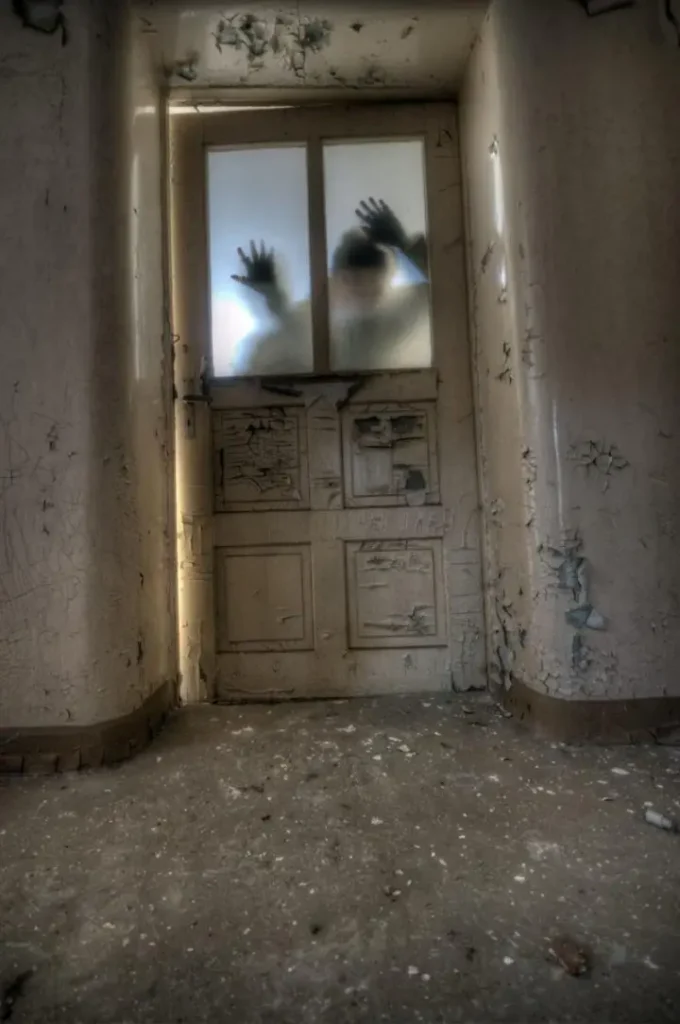
No known law in Ontario says home sellers must disclose death, unnatural deaths, homicide, or a haunted house.
These are referred to as stigmatized property situations, where no physical defects or problems with the home would reduce its value.
Keep in mind that the home sellers may have bought the home where someone died by suicide and didn’t know it.
If the sellers didn’t know, the realtor won’t say, and neither will you.
So, if you think your realtor will tell you, think again, because they probably don’t know.
House Shopping Without A Realtor

I discussed the issue of double-dipping, where the home seller’s agent also acts as the buyer’s agent.
Remember that the seller’s agent needs to pay brokerage fees, so they don’t get the total amount.
For example, it would look like this if the total commission is 50/50 between the buyer’s and seller’s agents.
The commission total is $50,000. Agent A gets $25,000, and Agent B receives $25,000.
However, this would happen if the buyer goes directly to the home seller’s agent before the property is listed on the Multiple Listing Service (MLS) without an agent.
If the buyer makes an offer on the home and the sellers accept it, the agent receives the full $ 50,000 commission.
The agent would inform the home sellers that they have a potential buyer who would like to submit an offer for consideration.
If that agent motivates the home seller and the buyer submits their best offer, the agent can work their magic to close the deal.
However, many risks are involved when you buy with the listing agent.
What’s not so great is if the seller’s realtor reveals too much information about current offers or what the home seller is willing to accept as the best offer.
You may also find that the agent will inform the home sellers of the work the buyers need to do to repair the home.
Realtors Who Pull Out All The Magic Tricks
When we met with the listing agent of a home we called to schedule a walk-through, he asked if my friend had an agent.
He said no because he had truthfully fired his agent the previous day and thought we would go to the source.
In a way, we wanted to see what we, the buyers, could get from the home seller’s agent.
Realtors all have a bag of tricks they use to earn a commission.
They don’t have to be unethical tricks, but money sure does talk when working on commission.
We learned from the agent that the homeowners have two other homes in the USA and were motivated to sell this particular home.
The home sellers were also open to a fast closing date.
Additionally, he helped my buddy find a way to lower the $479,000 asking price to $400,000, taking into account the renovations that needed to be completed.
Again, this is why you never disclose your financial situation or the amount of mortgage the bank or broker is willing to lend you to a realtor.
Trust me, if an agent knows they will push to the max to show you why you need to bid high and use the maximum loan amount.
So, these home sellers were converting a double garage into an apartment to rent, but didn’t quite finish.
Although my friend backed away from the offer, the house was sold the next day.
Working With The Home Seller’s Agent To Buy
I’ve seen firsthand how the magic of this tactic works with another friend of ours who bypassed everything.
The listing agent knew she was desperate to find a home (too much information given) and that her buyers wanted to sell quickly.
Bingo! The buyer paid $100,000 over the asking price and has since invested an additional $ 50,000 in renovations.
Of course, he would motivate the seller to buy the home because it’s currently difficult to enter the market.
Houses sell for ridiculous prices, and realtors, as do the home sellers, have the upper hand.
The realtor in this situation has a mother who is also an agent who then signed off as the buyer’s agent.
These home sellers didn’t look back and whisked away with the cash from their overpriced home that just sold.
She also forfeited a home inspection by including nothing but the house offer.
Don’t do this. Just don’t.
Home Sellers and Buyers Beware
I’ve already mentioned that buying and selling a home always comes with the sign of the times, “beware.”
No matter how much work you do with a realtor, if you hire the wrong one, you could ultimately get screwed—no other way of putting it.
What’s good for the home seller is even better for the buyer when the listing realtor has a big mouth or knows too much.
Zip it, hire the right realtor, and do all the valuable things you need to do so your house sells fast and for all the right reasons.
Like my friend above, who thought he was getting a great deal during his desperate situation, it cost him a fortune.
Discussion: What other topics should home sellers avoid telling their listing agents to protect their selling power?
I’d love it if you could please comment below, sharing your tips and perhaps a firsthand story you’ve experienced.
Thanks for reading,
Mr.CBB
If you’re going through a house for sale to possibly buy it, don’t discuss anything while inside the house. Homeowners and/or realtors are setting up cameras and/or listening devices to hear what you say while in the house. The joys of modern technology.
That’s a very good point Susan and often it’s not just to listen to potential buyers. The cameras were always there and homeowners won’t take them down just because they list the house for sale. So, zip it like you say because they can be listening. Thanks for your comment Susan. Mr.CBB