


Estimated reading time: 7 minutes
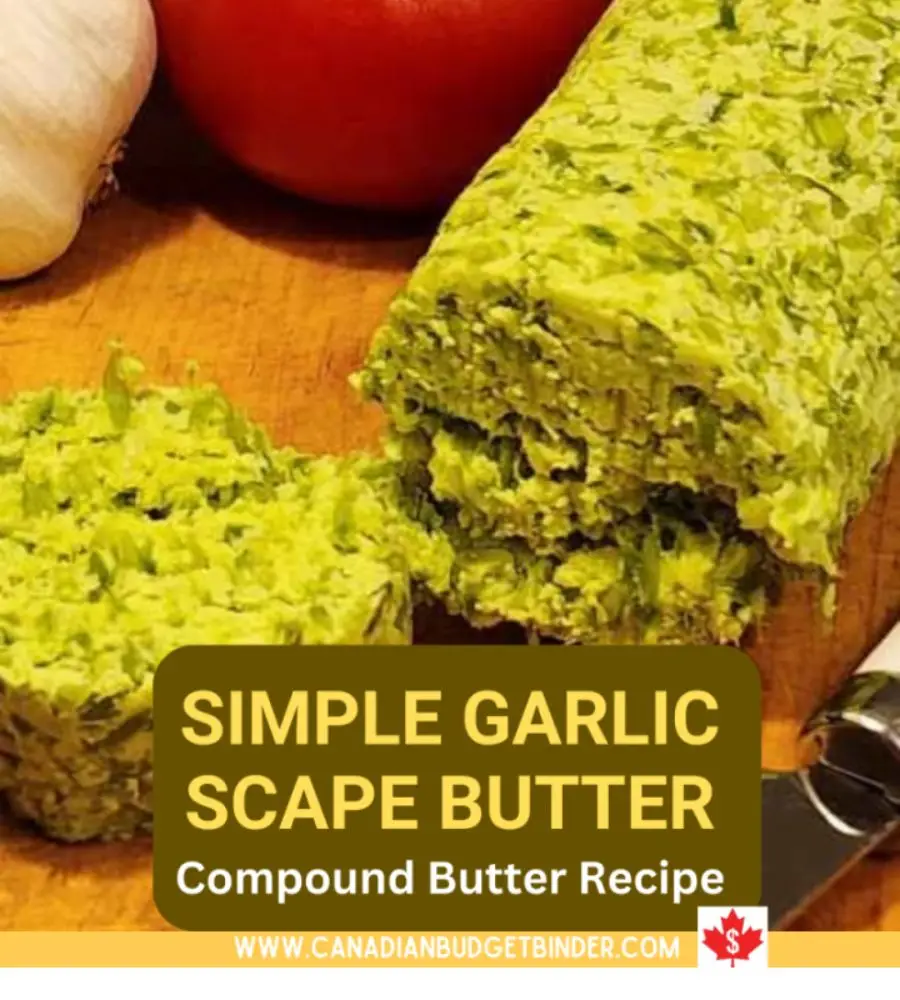
I’ve finally created the perfect recipe for garlic scape butter using fresh garden herbs, seasonings and a splash of citrus. Compound butter is simple to make and is no longer just for splashy dinners out on the town. The best part is that you get an instant creamy garlic scape butter sauce when melted over steak, seafood, pasta, or veggies are added. Today, I will teach you about immune-boosting garlic scapes and the best way to use them in recipes.
If you have a friend growing garlic or you are a gardener in Ontario, the best time to cut the scapes is in the late spring or early summer. We had so many that we offered the scapes free to friends who had never used them. The results, they LOVED them.
What Are Scapes?
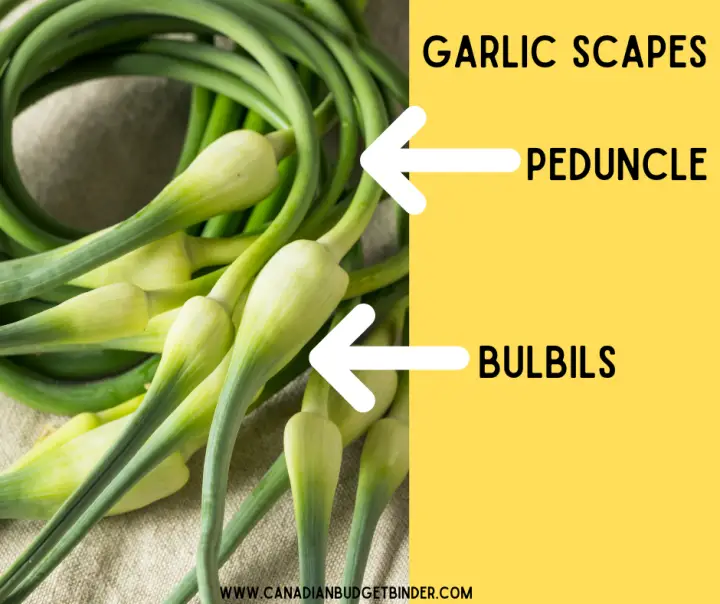
Garlic farmers don’t have use for the scapes because they must be removed from the plants. Curly garlic curls or scapes are the first tender shoots that eventually turn to bulbils. A bulbil is what grows if the scapes mature and is often called a clone of the mother plant.
A bulbil is a small, young plant that is reproduced vegetatively from axillary buds on the parent plant’s stem or in place of a flower on an inflorescence.
These young plants are clones of the parent plant that produced them—they have identical genetic material.
These bulbils can be used to regrow garlic and are entirely edible but more robust in flavour than the stem. The garlic stalk is known botanically as the peduncle of the flower of hard-neck garlic plants.
Hardneck varieties develop a long flowering stem, called a scape, which eventually develops tiny bulbils at its top end.
Under ground, around this central flowering stem, is a single row of cloves wrapped together in a papery sheath to form the “head” or bulb of garlic.
Savvy Gardening Hardneck vs Softneck Garlic
Once the scape is removed, the plant can drain the excess energy into growing a larger nutritious garlic bulb.
What happens when a scape is not removed?
If the scape is not removed and flowers, the garlic bulb, when sowed, will be smaller.We had this happen when removing the bulbs from my father-in-law’s garden once he passed. Although we removed the scapes,, we left them on far too long, yielding a smaller crop. The great part about garlic scapes is that they are entirely edible, including the bulbil seeds. If you like chives or scallions (spring onions), the garlic scapes take on a similar texture with a mild flavour. So, where chives and scallions have a mild onion flavour, the scape has a mild garlic taste.
How To Clean Garlic Scapes
When working with garlic scapes, you want to clean them properly. Cleaning scapes are quick with a wash under cold water and trim of any complex parts like you would asparagus. For example, if you have any brown or withered parts on the scape, cut them off and compost them.
How To Store Garlic Scapes
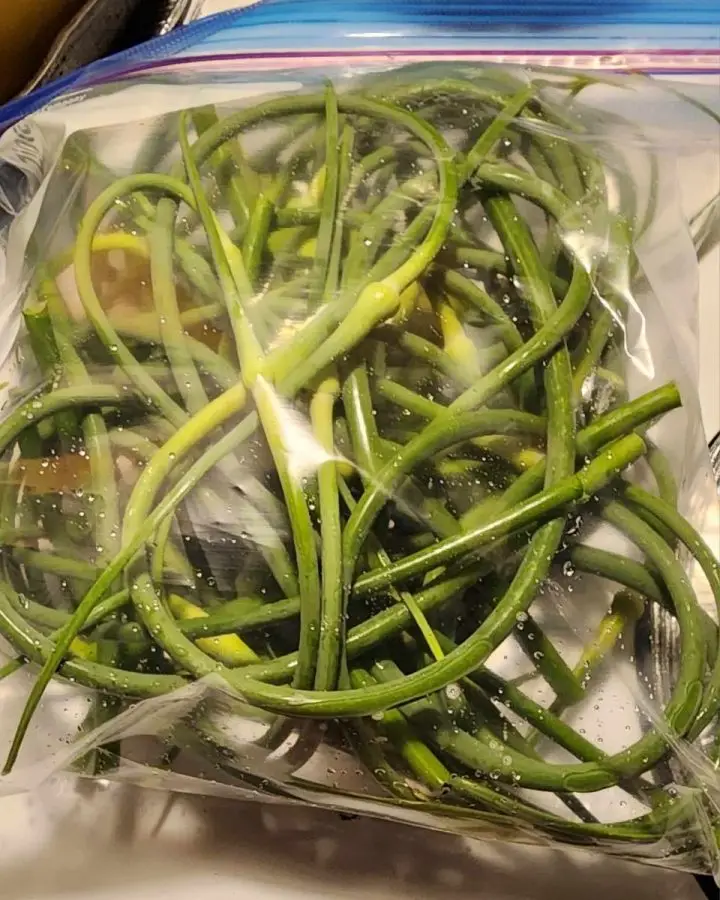
Wash and dry garlic scapes, place them in a zipper bag and place them in the crisper for up to two weeks. Some people store prepared garlic scapes in water for up to two days in the refrigerator. Change the water daily, and they will last even longer to keep them tender and crisp. You can also freeze garlic scapes for up to one year and take them out as needed. Either chop the scapes before freezing or store them in the curly state.
Garlic Scape Nutrition
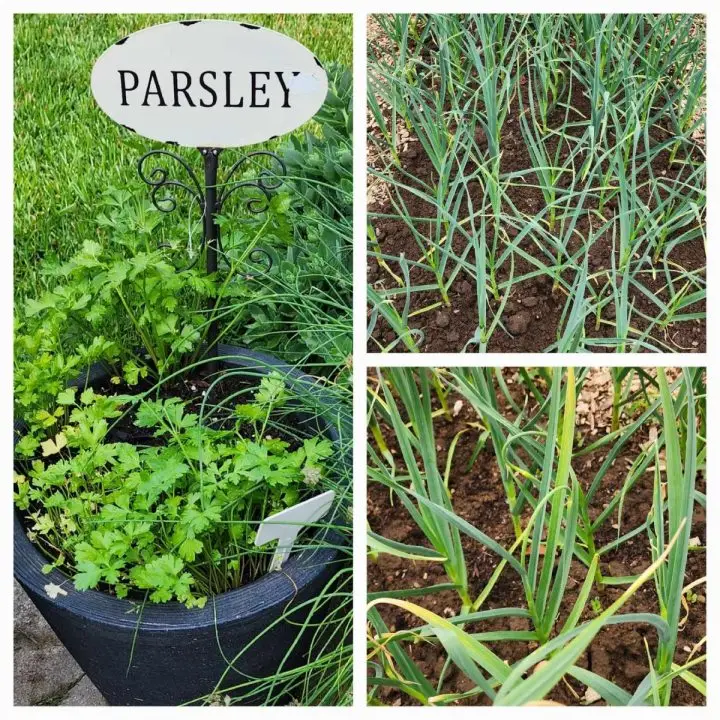
Packed with vitamin C, B6, selenium and a source of manganese, garlic scapes are recommended to help prevent heart disease and other ailments. I guess that’s why my father-in-law was known as garlic-man, as he often grew over 1000 bulbs yearly. Would you believe me if I said he had seven heart attacks over 25 years before the last one took him home? He did; perhaps the garlic, homemade wine, and fresh organic fruits and vegetables kept his body going longer. In our community garden, you’ll find hundreds of garlic bulbs as we follow tradition.
Ways To Use Garlic Scapes
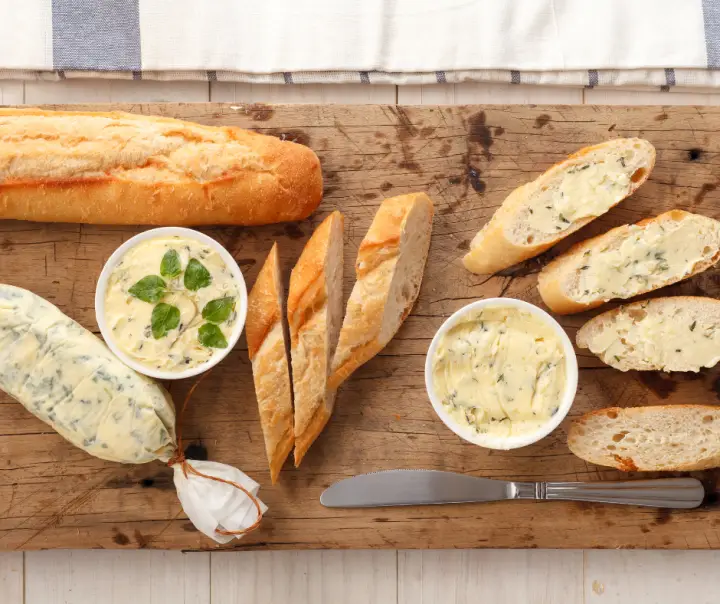
Last year we made various types of garlic scapes pesto, and I shared the recipe. Once chilled, garlic scape butter can be added to steak, salmon, veggies, hummus, or even to make crispy garlic bread in the oven. When a recipe asks for garlic, replace it with chopped scapes instead. You’ll find many ideas about ways to use garlic scapes on that post, including a favourite, pickling. Can you eat garlic scapes raw? As long as you don’t mind a sharp garlic taste. I’ve eaten raw garlic scapes, but not as a snack, to taste it.
Making Garlic Scape Butter
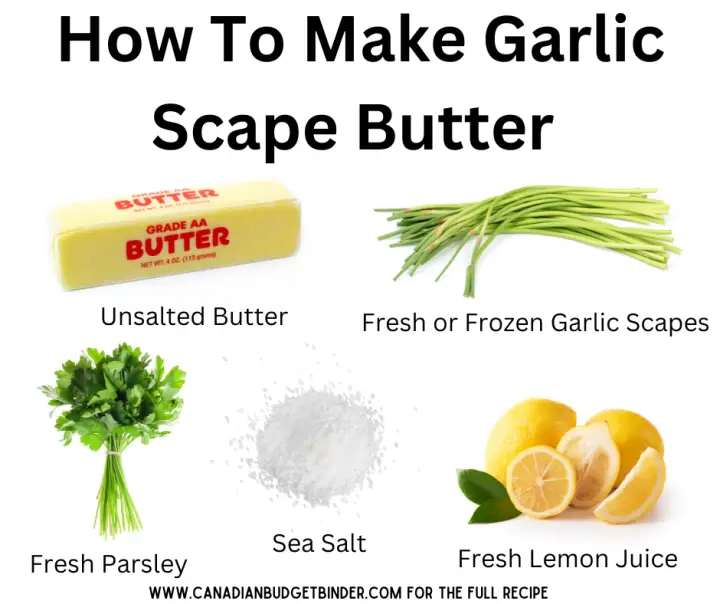
You’ll want to start with good organic, grass-fed butter or make homemade grass-fed keto butter in a jar. In Canada, regular butter is ringing in at near $9/lb when it’s not on sale, which is so pricey. Use what butter best fits your grocery budget,, as being frugal is about. Garlic scape butter lasts up to two weeks in the refrigerator or one year in the freezer. Before freezing garlic, scape butter and cut it into portions so you can take them out as needed.
Simple Garlic Scape Recipe
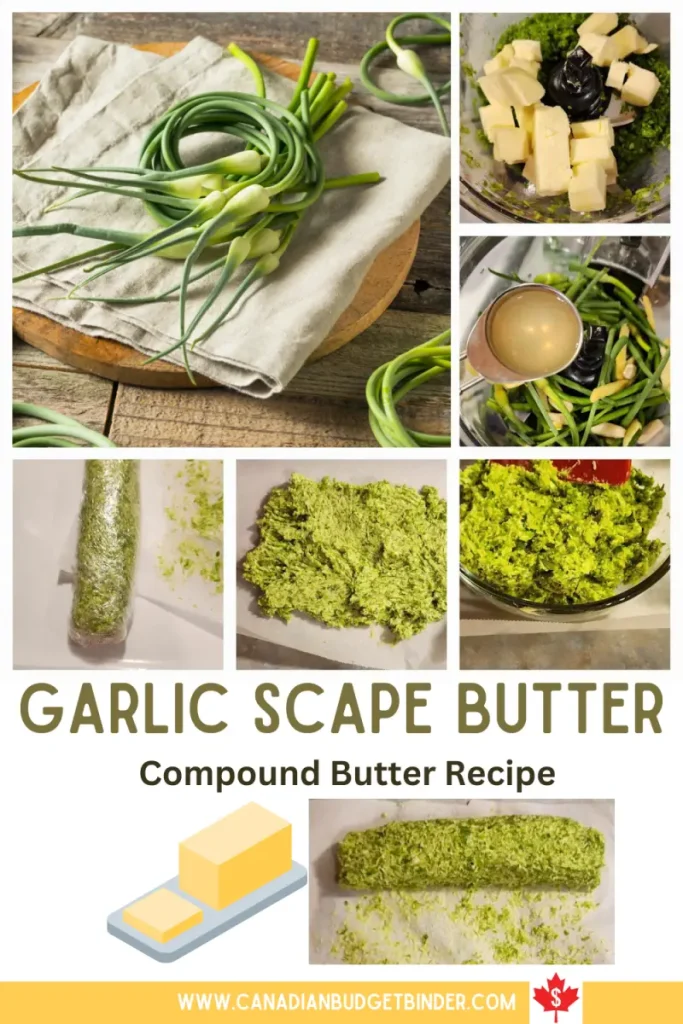
Printable Version Below. Please share on Pinterest. The perfect recipe for garlic scape butter using fresh garden herbs, seasonings, and a splash of citrus. Create an instant creamy garlic scape butter sauce over steak, seafood, pasta, or veggies are added.
PREP TIME 15 minutes
ADDITIONAL TIME 4 hours
TOTAL TIME 15 minutes
Ingredients
- 1/2 pound softened and cubed grass-fed unsalted butter or regular butter
- One teaspoon of sea salt
- 1 cup chopped fresh parsley
- 1 1/2 cups of chopped garlic scape (about 5)
- 2 tablespoons fresh lemon juice
Instructions
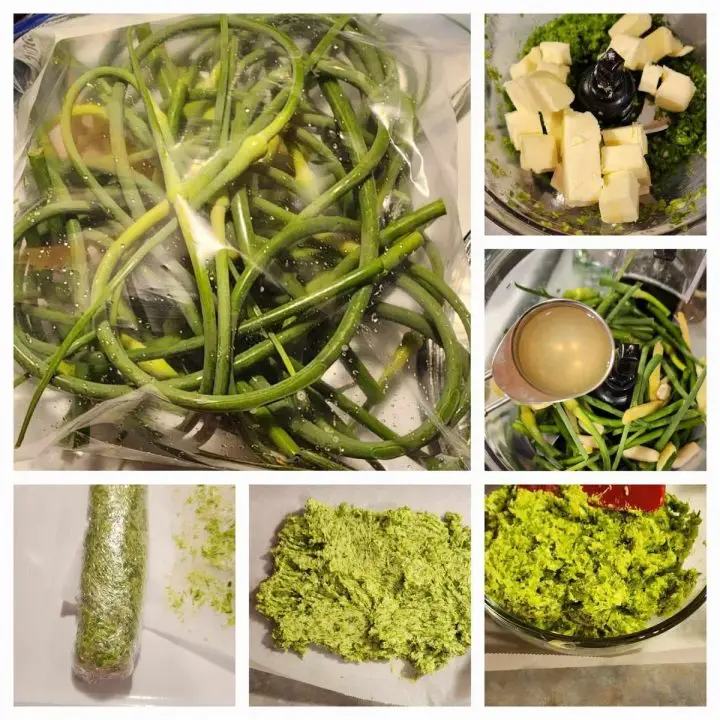
- Add the softened cubed butter, chopped garlic scapes, parsley (any other herbs), salt, and lemon juice in a food processor.
- Process until it reaches a creamy texture. (about 1 minute)
- Scoop the butter onto parchment paper or cling wrap using a rubber spatula.
- With both hands, lift the paper’s end or wrap, roll it, and twirl the ends.
- Store in the refrigerator for 4 hours so the compound butter can harden before slicing.
- Slice into 16 tablespoons and store wrapped individually in the freezer for up to one year. Store the entire roll in the refrigerator for one month.
- See notes in the blog post for other ideas and tips.
Notes
- Add fresh basil, chives, and spring onions instead of parsley, or include it.
- Include any other seasonings that you prefer.
- The salt portion is optional based on preference.
- Add a splash of extra virgin olive oil.
- Double the recipe if desired.
- Store in the refrigerator for one month or in the freezer for up to one year.

Crunchy Pan-Fried Parmesan Crusted Hard Boiled Eggs
If you want a bit of crunch in your snacks check out these simple pan-fried Parmesan and Almond flour crusted hard-boiled eggs dipped in Caesar dressing. Delicious.
Ingredients
- 3 large eggs plus 1 large egg for coating
- 1/2 cup Parmesan cheese freshly grated
- 1/3 cup Almond Flour
- 1 teaspoon Garam Masala spice (or your spice of choice)
- 1/2 teaspoon salt and pepper
- 2 tablespoons dried parsley
- 1/2 teaspoon Turmeric
- 1/2 cup Coconut oil for frying
- 1/3 cup Extra Virgin Olive oil for frying
Instructions
- In a small pot add cold water and your eggs. Bring to a boil then set a timer for 7 minutes. Once the timer goes off let them sit for 2 minutes then run them under cold water until they are cooled. Once cooled completely slice them length-wise and set aside.
- In one small bowl add your almond flour, Parmesan cheese, spices and mix together to incorporate the spices.
- In the other bowl crack a large egg, add salt and pepper and mix.
- In a frying pan heat up the coconut oil and extra virgin olive oil to a frying temperature.
- In the meantime dip, each half of the hard-boiled eggs in the egg mixture then roll in the dry mixture.
- Once they are all coated put them into the hot oil gently.
- Flip them after 2 to 3 minutes or when each side is golden and brown.
- Set them on paper towel when they come out of the pan and then plate.
- Serve with your choice of dipping sauce.