

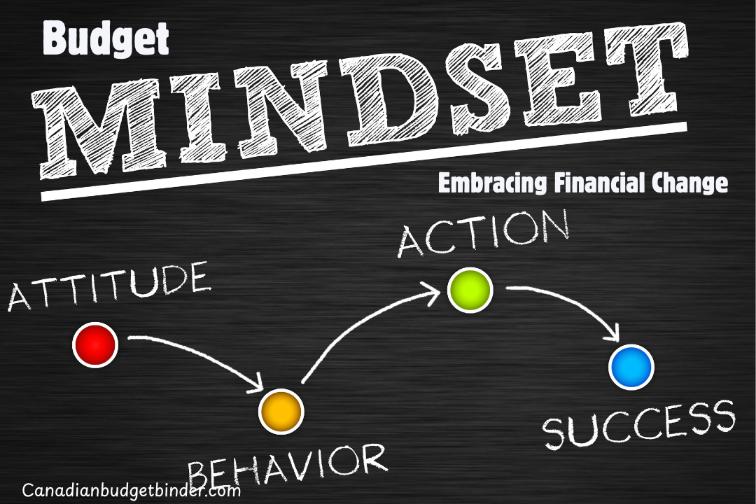

Transform your finances with a budget mindset. Learn how to embrace change and build financial control step by step.
One of the hardest things about losing control of your finances to living by a budget is that it represents a change.
It’s surprisingly tricky to make a change, even for the better, when you’re used to things being a specific way.
The process of adjusting to change is similar in many ways to grieving the loss of a loved one.
On a certain level, you’re struggling to deal with the fact that things were one way, and now they will be another way.
It’s far too uncommon for the self-help gurus to recognize this change and find ways to deal with it.
You can only build a budget mindset slowly, as doing the job takes time and patience.
Anyone can decide to budget in seconds, but the reality will change.
As we’ll see below, there are many strands you can weave into this mindset, and the more you use them, the stronger it will be.
Just bear in mind that a slower, more gradual improvement that holds is better than a dramatic one that makes for a harsher grieving process.
1. Make A Point Of Checking Balances
An old saying goes, “what the eye doesn’t see, the heart doesn’t grieve over,” perhaps most acutely demonstrated on the personal finance front.
If you don’t see your account balance going down and your credit balances going up, you can ignore it.
However, this is all good until your card gets rejected, and you must find out why.
If you regularly check balances, you’ll see what’s going out and what’s going in, and you can pinpoint any moments where things seem to need reining in.
It can be hard to deal with initially, but it will drive more intelligent decisions in the long run.
2. Always Look To Pay Less
Every single time you spend money, there is a chance to spend less.
Or, at least, there is a way to see if you can get a better deal, discount codes, or coupons to reduce expenses.
When you pay bills, it’s a good reminder to see if you can get the same service for a smaller fee.
Don’t be afraid to shop around; however, if you leave one company for another, always check if there are fees associated with breaking a contract.
When you shop for food, you can see if there are coupons, multibuy deals, or in-store promotions on certain items.
There are also coupon apps such as Checkout51, but even better, we use weekly Rakuten for online savings for just about anything, and Flashfood for 50% off groceries.
If you prioritize saving opportunities, it will become second nature sooner rather than later, and you can impact the bottom line.
3. Write It Down For Reference
If you’re turning to a savings mindset, there will usually be a reason you’re doing it.
It can be as simple as wanting to take an overseas holiday because you want to buy a house or anything else that requires you to save a certain amount.
What will be the case is that you will have a target goal.
Your goal amount should go down in writing as a specific goal you can track.
With a documented budget, it’s easy to refer back to it when you need to check data.
Keeping track of your savings reminds you of your financial goals, which will keep you motivated.
When you have an end goal, it’s easier to do the hard work of cutting spending.
4. Address Why You Spend Money
All of us feel the urge to splurge periodically.
Sometimes it’s because we have a little more money than expected, or because it’s a special occasion.
Small indulgences at these times are generally OK, but if you’re spending a bit extra regularly, it’s worth stopping and questioning why.
Sometimes, our little additional spending can be related to issues like feeling depressed, anxious, or bored.
It is crucial to find a way of dealing with these issues that doesn’t involve extra spending.
Aside from anything else, being short of money will aggravate your low mood at any time.
When you finally accept the budget mindset, it’s hard to return when you see the fruits of your labour.
Discussion: What made you finally dive into budgeting and stick to it? Share your comments below.
Mr. CBB