


Estimated reading time: 17 minutes
Maximize your grocery budget with food scraps. Learn creative ways to use edible leftovers and save money.
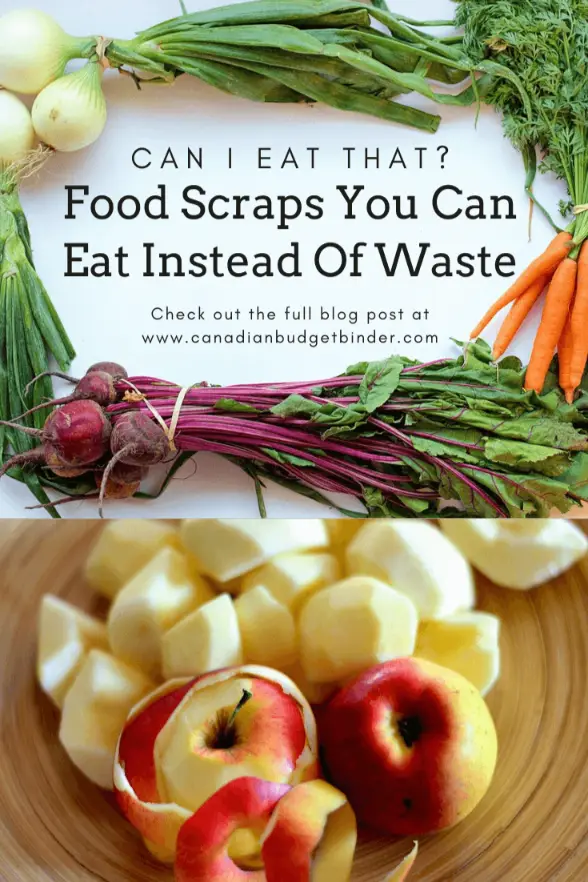
Today, you’re going to be amazed at the number of edible food scraps that are edible.
As food prices increase, Canadians must ensure everything gets eaten.
Can I Eat Food Scraps, Or Should I Compost Them?
Growing up as a young girl, gardening was one hundred percent how Mrs. CBB’s parents enjoyed fruits and vegetables.
She was not unusual to be in the garden with her father, often asking, “Can I eat that?“
As children, we rely on our parents to teach us what we can and cannot eat, and having parents with extensive garden knowledge is a gift.
Only once I moved to Canada did I consider foraging because Mrs. CBB was taught how to by her father.
Although fruits and veggies can be composted, what we can eat is amazing.
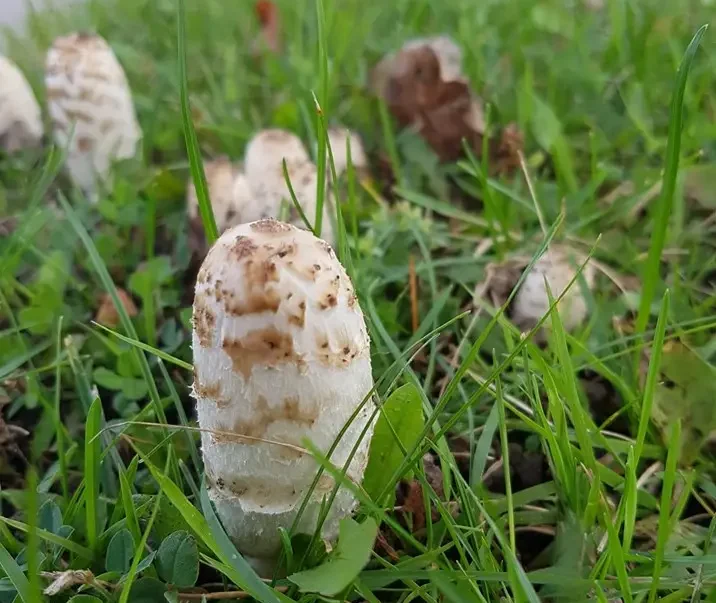
We plan hikes during the Ontario foraging season and have come home with berries, asparagus, mushrooms, fiddleheads, and mustard greens.
The earth offers these foods, yet if they are not harvested, they go to waste and compost back into the soil for another year.
Can You Eat Zucchini Flowers?
The problem with foraging and food scraps is that without basic knowledge about what we can and cannot eat, we don’t know.
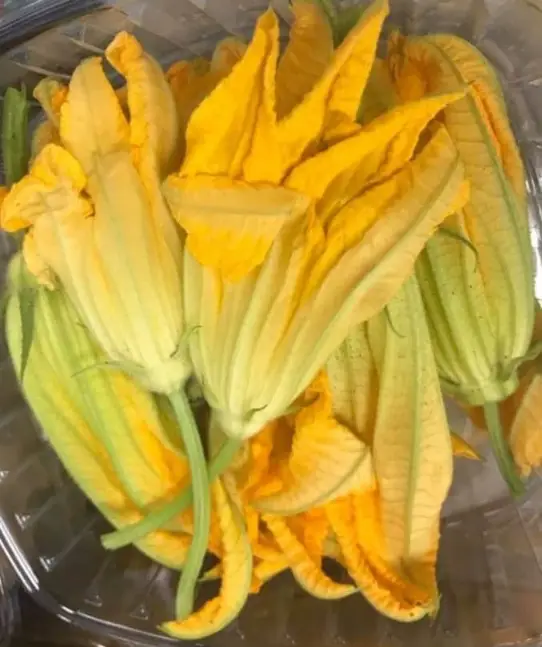
I often find it fascinating that I can eat something that I had never thought was edible, such as zucchini flowers or blossoms.
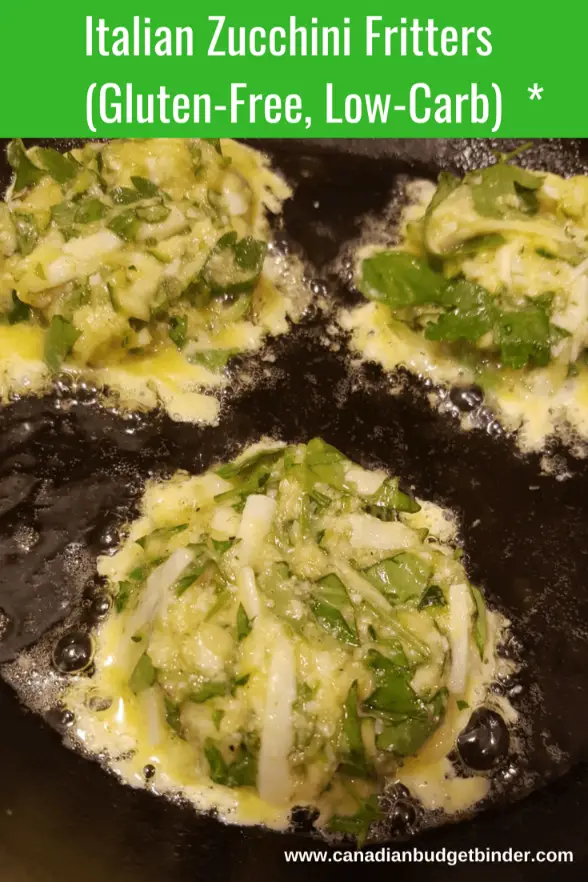
These delicate flowers can be battered, stuffed, and fried into delicious Italian Zucchini fritters (Pitticelle Cucuzze)
You can also add them to pancakes, donuts, or other baked goods, which is how we use them.
Zucchini blossoms are vibrant yellow with a squash flavor and are left by gardeners who aren’t sure how to use them. – The Spruce
Did you know that the female zucchini blossom produces the zucchini, whereas the male does not?
These blossoms are a delicacy in many fine-dining restaurants and are seasonal, so the anticipation is high when they are harvested.
Imagine that.
What chefs pay for, some people let waste away in their gardens.
Don’t let that be you! They are delicious.
Hard Cheese Rinds
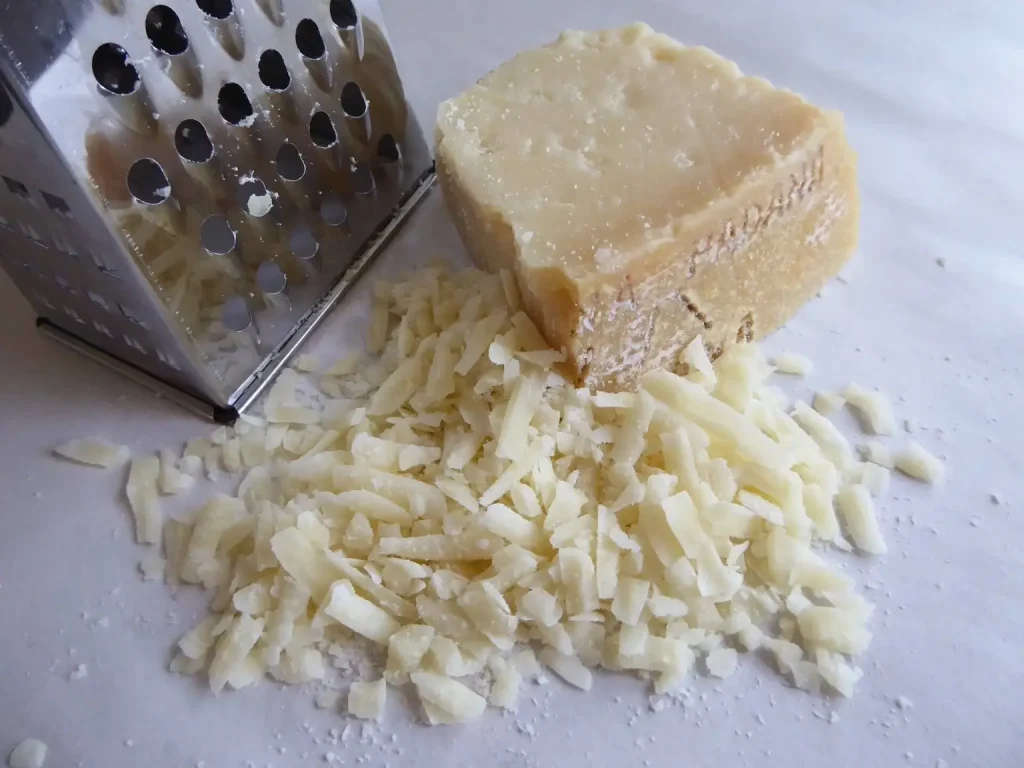
You’ll only find Parmigiano Reggiano in our house, a complicated kind of Italian cheese that we love and pay the price for.
Since most hard cheeses come with a price tag left to be desired, a little goes a long way, especially if they are pungent in taste.
Instead of throwing your hard cheese rinds in the bin, consider adding them to your soups and sauces when they are cooking.
The spicy cheese flavours that taste so delicious will marry with your recipe utilizing the rinds to their full potential.
Another cool way to use cheese rind is to make crunchy puffed cheese rinds in the microwave or air fryer.
Bonus: Puffed cheese rinds are keto-friendly.
Roasted Banana Peels
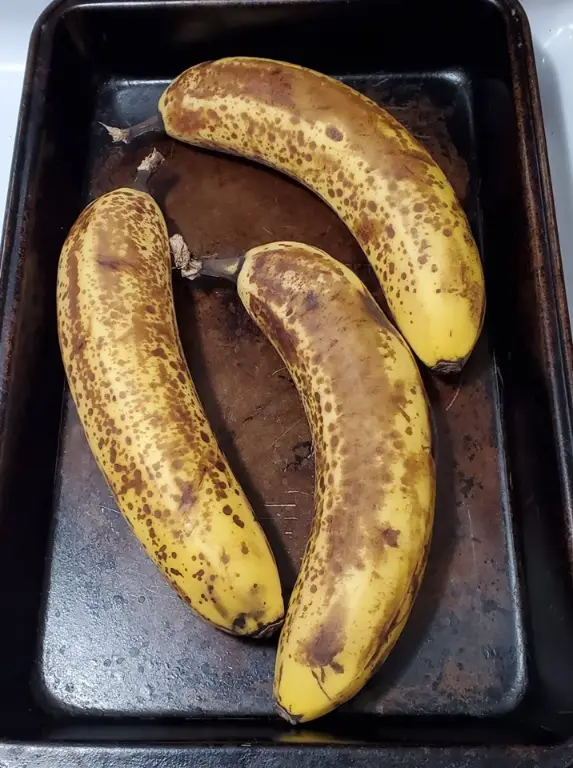
Often I roast bananas when they are near the time to use for baking to expel as much flavour as possible.
After spraying with white vinegar, I wash the bananas under cold water to remove any impurities.
You’ll see plenty of banana juice when you open the banana and pour it into a bowl to make banana bread, ice cream, muffins, cookies, or custards.
Instead of throwing out the banana peels, I submerge them in 35% cream on low heat in cheesecloth to extract the flavor.
You can also do this in water to create a simple banana syrup by adding granulated sugar or sugar substitute and reducing it on low heat.
It’s amazing what lurks in your food scraps.
Stale Bread
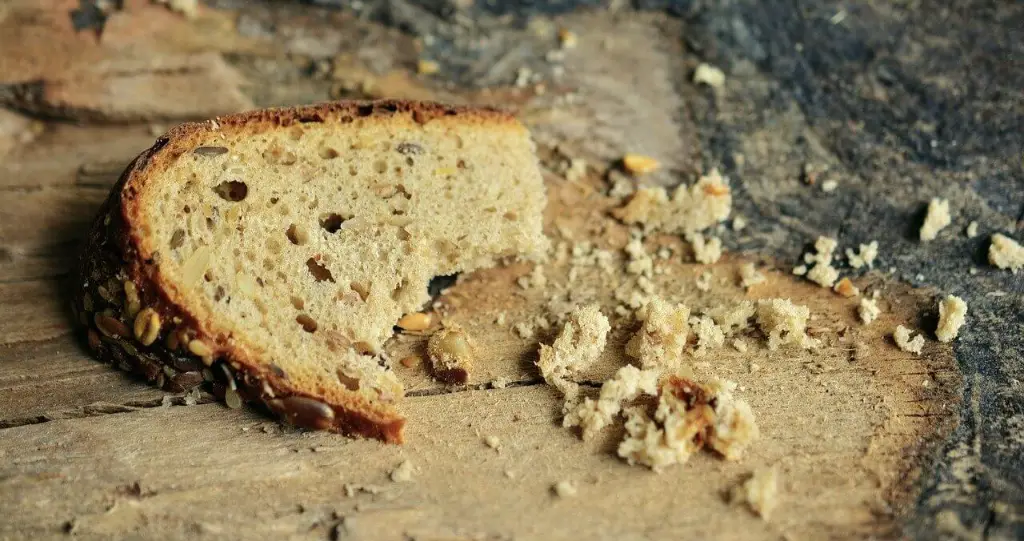
This is obvious, but if you have stale bread, use a food processor to grind it up and use it as bread crumbs.
Garlic Scapes
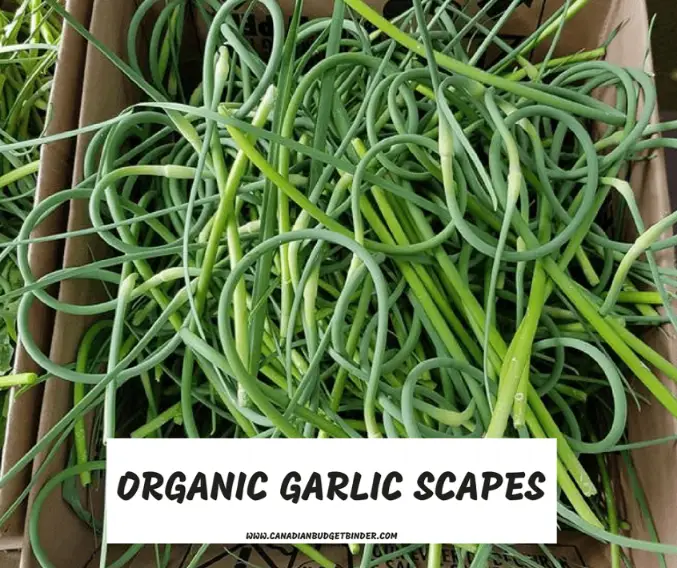
If you’ve never tried garlic scapes, you are missing out on something delicious.
You can find garlic scapes in your grocery store or local market during the growing season where you live.
In Ontario, we can find garlic scapes from June to September in most grocery stores, depending on if they stock it.
Garlic scapes are the green wiggly bit that grows on the top of the garlic and is entirely edible.
We’ve made garlic scape pesto with our garlic scapes and to-die-for bbq garlic scapes in butter.
Beet Greens
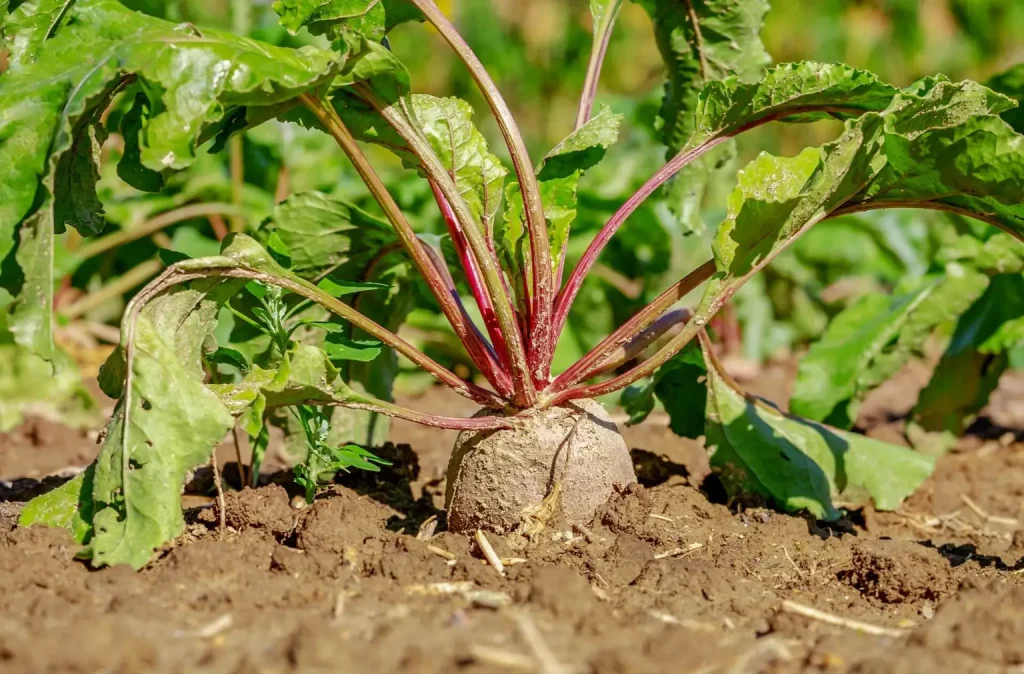
Eat your greens, my friends, as they taste delicious and healthy.
If you are a greens lover like us and enjoy growing or buying beets eat up those beet greens.
You can saute, braise, or steam tender beet greens in garlic and butter with salt and pepper or add them to soup, stew, or broth.
Celery Greens
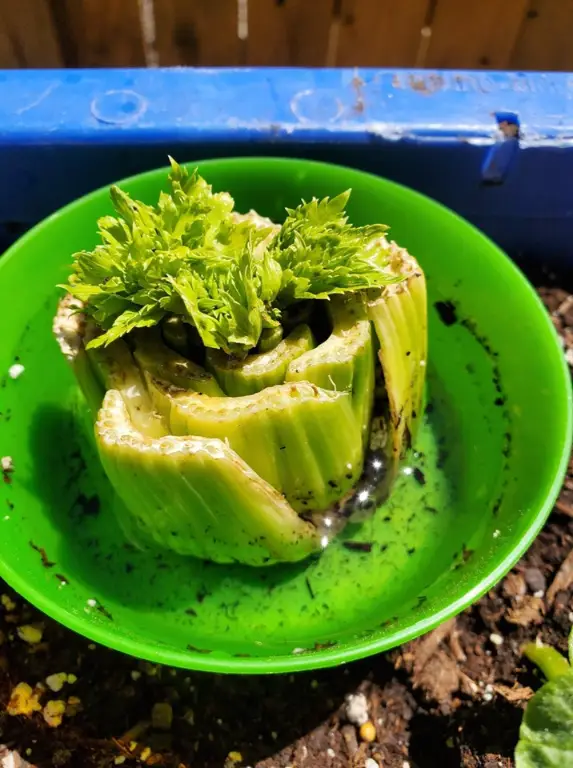
When cleaning and chopping your celery, never throw away the celery flowers, as they are entirely edible.
You can use celery greens in your homemade pesto, mayonnaise, drinks, or smoothies.
We also use celery greens in our homemade pasta sauce and bone broth.
Clean the leaves and chop them as you would any other green.
Romaine Lettuce
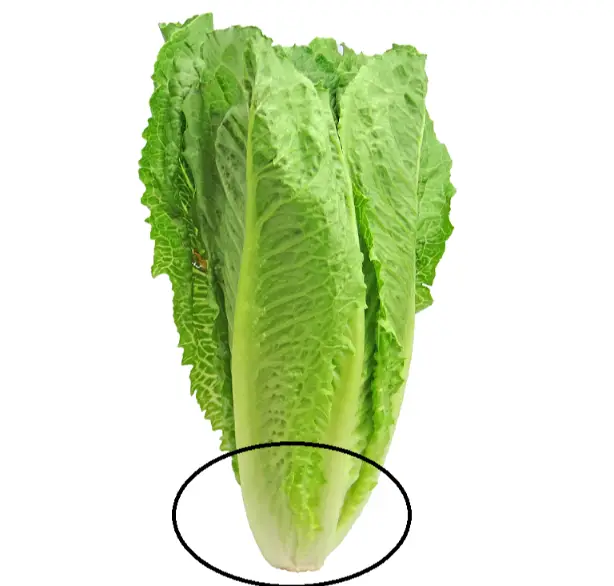
I didn’t know this, but the bottom of the romaine lettuce that you can use to regrow lettuce is entirely edible.
My wife eats it like a rabbit when cleaning the romaine lettuce for our CBB salads.
All she does is chop the base off the lettuce leaves, clean it, and then chop it up.
It has somewhat of a bitter taste, but it’s edible food scraps that many people throw away.
Although a common green salad for Caesar salad, Romaine can also be braised or added into soups like other greens.
Broccoli Stems
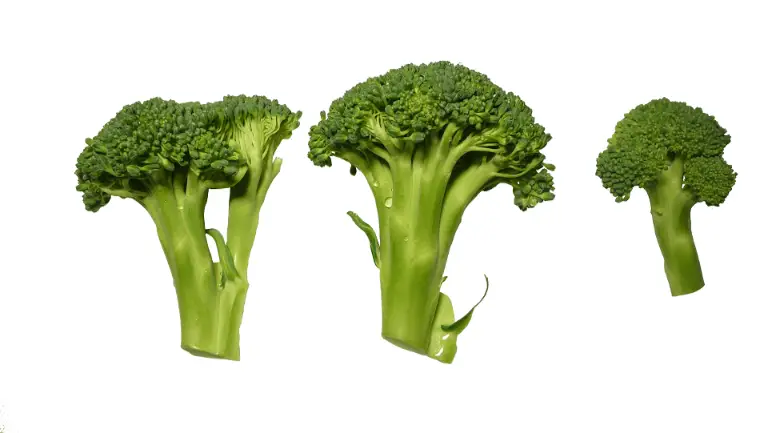
Another big food waste in the kitchen comes from broccoli stems in the compost bin.
Broccoli stems are just as edible as broccoli and can be sliced and diced into stir-fries and soups or eaten raw.
Fennel Greens
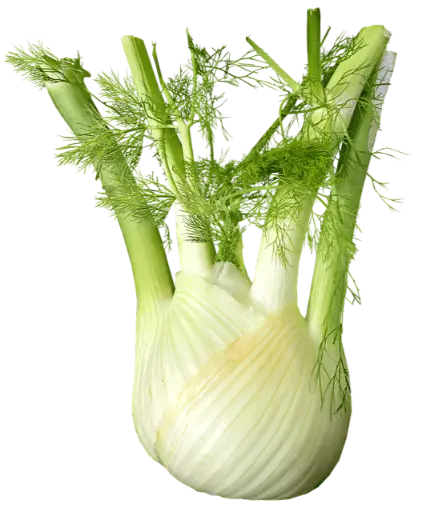
Fennel greens are delicious and take on light black licorice and anise flavor, making them great for steeped tea and salads.
We use fennel greens chopped finely for just about every salad we make or in marinades for meats and seafood.
It’s not uncommon for me to add fennel greens to Atlantic Salmon with fresh dill, garlic, salt, and butter.
Spring Onion Greens
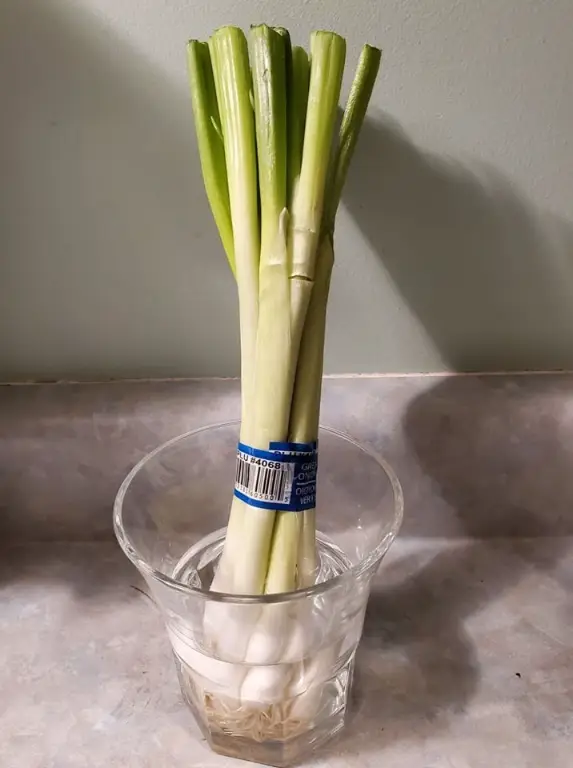
You may think it’s wild, but some people only use the white bulb of the spring onion and waste the greens.
Spring onion greens have so much flavor and can be used instead of onions in many recipes.
We often buy spring onions at the market and sit them in a glass of water on our counter.
We chop off the greens and use them in our recipes as needed.
The greens will continue to grow as they sit in the water, even after you chop them off.
By the end of the week, we also use the white bulbs but enjoy the benefits of regrowing the spring onion.
During the summer I plant one bunch of spring onions in a garden pot and I get onions all season long.
Brown Avocado

Please don’t throw away your ripe or bruised avocado because you can turn it into delicious guacamole or keto avocado chocolate pudding.
Just because something looks bad doesn’t mean it won’t taste good once you add kitchen love.
Another great way to use your brown avocado that you were going to compost is
- Avocado brownies (recipe coming soon to the blog)
- Avocado chicken burgers
- Keto Garlic Avocado Mayonnaise
- Blue Cheese Avocado Salad Dressing
- Creamy Keto Avocado Taco Dip
Carrot Greens
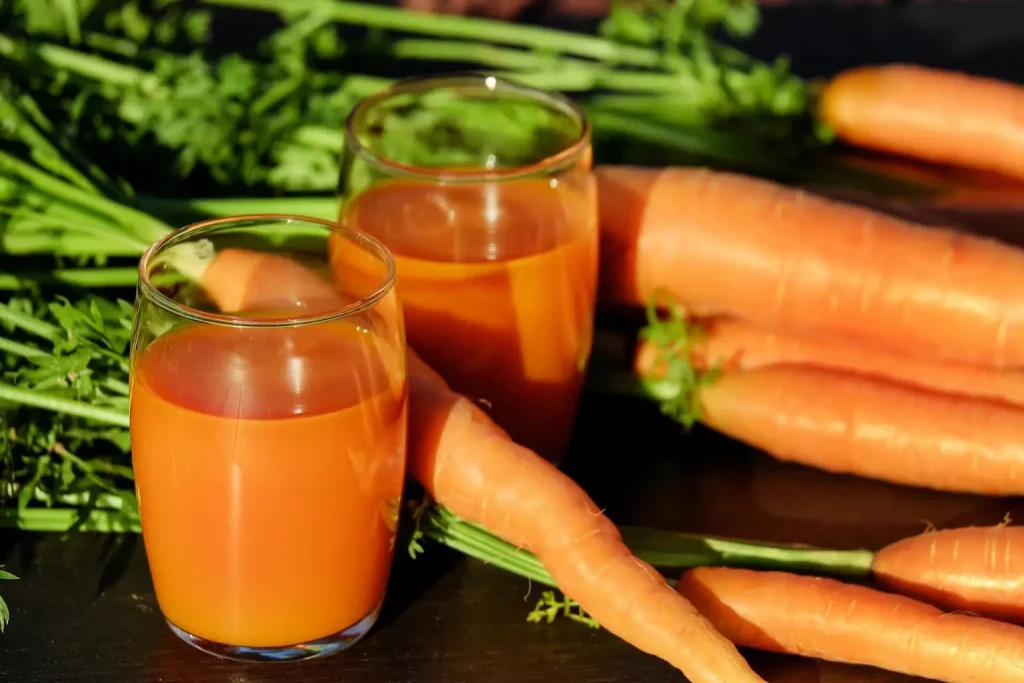
If you grow or buy carrots with intact greens, hang on to your carrot greens.
Carrot greens are entirely edible and can be used in soups, stews, broths, or sauteed with other greens or on their own.
Also, if you peel your carrots, keep that food waste out of the compost and toss it into your bone broth.
Radish Greens
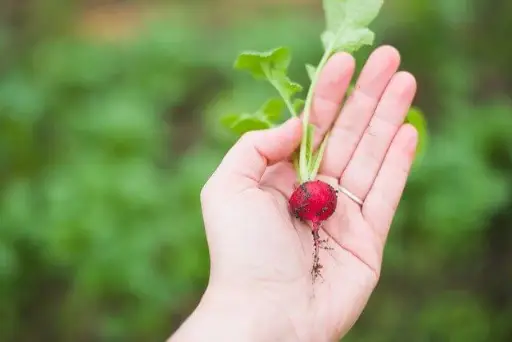
A few years back, we grew radishes that didn’t reasonably produce how we wanted them to.
While researching, we discovered that we could eat the radish greens like any other green.
Our radish greens were young and tender, making them easy to saute like spinach.
If you are working with a bit older radish greens, you may want to use them in soups or to make stock.
Another great suggestion we were told about was to add radish greens to your homemade pesto.
Bacon Fat

We eat lots of bacon in our house and never throw away the grease since it is fantastic for frying and sauteing.
A small Tupperware container located in the butter flipper section of our refrigerator is where I store it. (not sure what to call that).
We use it to add bacon flavor to a recipe or substitute bacon fat for avocado, coconut, or extra-virgin olive oil.
My keto Baconnaise recipe is full of flavour and probably going to be your new favourite dipping sauce or spread.
Pickle Juice
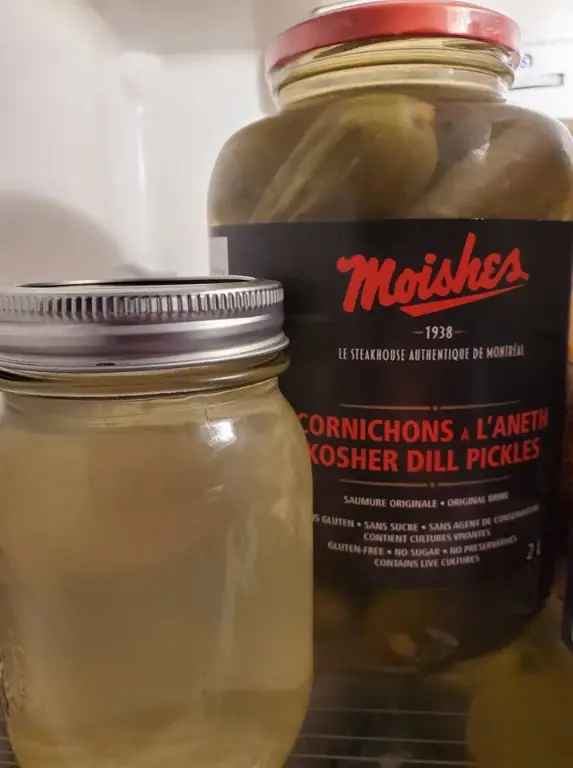
You’ll find pickle juice goes to waste in our kitchen as we use it for multiple recipes after the pickles are gone.
I wouldn’t say I like drinking fermented pickle juice, but my wife enjoys a shot to refuel her electrolytes after fasting.
Pickle juice also contains antioxidants and prevents people new to the ketogenic diet from getting the keto flu.
We also use our pickle juice to marinate cucumbers or add it to sauces, soups, drinks, and dressings.
We’ve even boiled the fermented pickle juice and added grated red or green cabbage.
Sometimes we add the rest of the pickle juice to our homemade keto kimchi for an added kick.
Strawberry Scraps
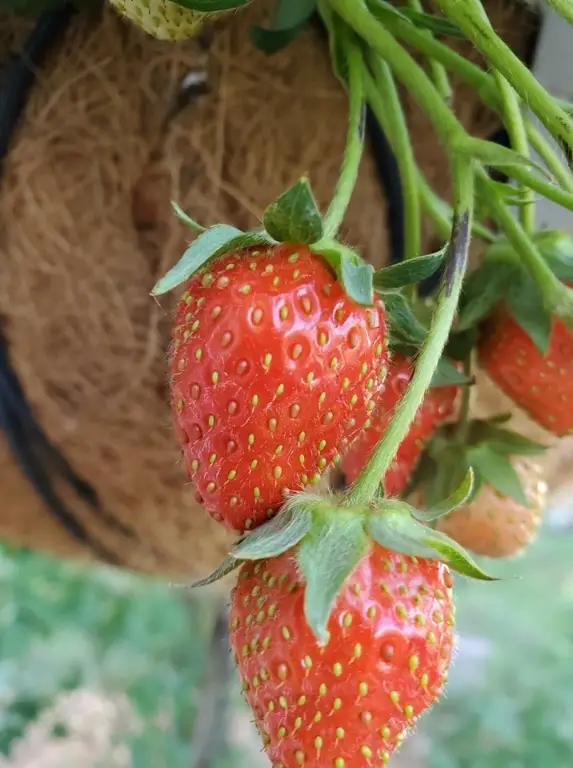
Food waste in the form of strawberry tops does not need to happen, especially if you have a few minutes in your day.
During the strawberry season in Ontario, we often head to a local farm to pick strawberries.
We grow strawberries at home in our hanging baskets but near enough to make jams or sauces.
During the cleaning process of strawberries, food waste is easy to dismiss depending on how you complete the task.
Some people use a spoon to scoop off the strawberry greens, and others use a knife and slice under the gardens.
Whatever you do, please don’t throw any strawberry greens with a strawberry attached into the garbage after you clean them.
Fill a pot with some water and soak them overnight, then straining the water into a bowl in the morning.
Put the strawberry water back into the pot with some granulated sugar or sugar substitute to make a simple syrup.
You can use the simple syrup to mix drinks or add flavoring to your baked goods.
Store the syrup in the refrigerator as you would any other syrup.
If I’ve also got lemon rinds at the same time, I’ll soak them with the strawberry tops for a sweet and sour syrup.
Chicken and Beef Bones
Don’t toss out your chicken and beef bones if you love soup.
Use a crock pot, instant pot, or stove-top method to make delicious homemade bone broth.
Peach Leaves
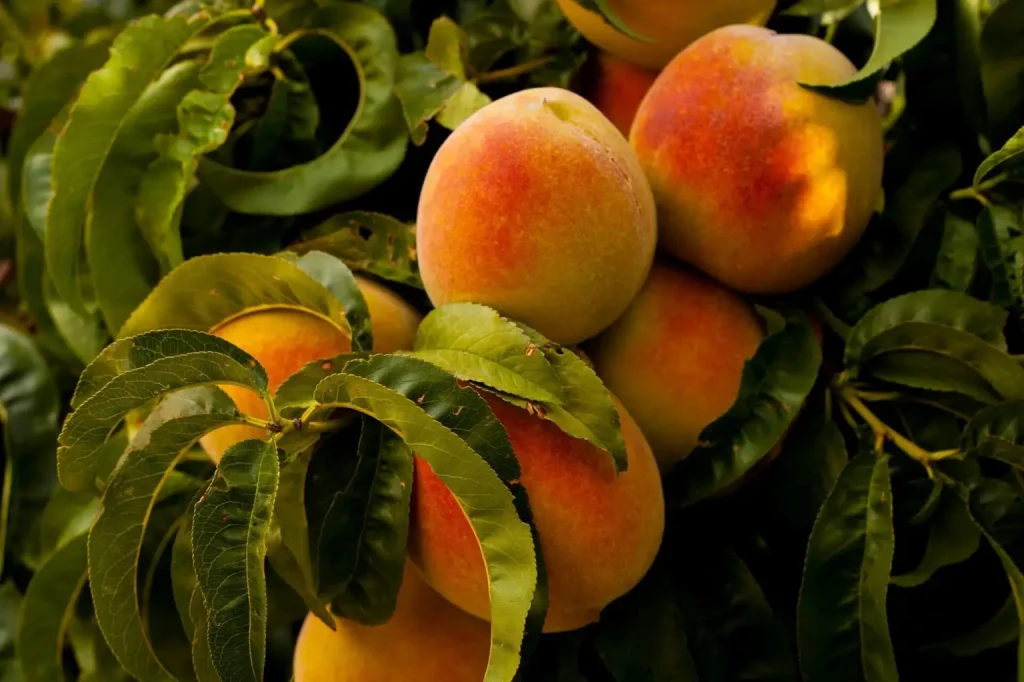
Peach leaves are not edible. However, they can be steeped to make a lovely medicinal tea.
In China, peach leaves are steeped to ward off coughs and congestion, whereas, in Italy, they are used to fight warts.
Peach leaves are slender and grow in an alternate pattern.
They cannot be consumed raw, but when cooked, Peach leaves have a slightly bitter flavor with almond and floral undertones.
Peach leaves contain some diuretic, laxative, and detoxifying properties.
– Source
What I found interesting is how overlooked peach leaves are, especially in the kitchen.
I had no idea you could bake with peach leaves and how much flavor you could infuse into recipes.
Peach leaves can be used to make:
- Pie
- Ice cream, Sorbet,
- Wine/Prosecco
- Salad Dressings
- Sauces for flavoring
- Drinks
Peach leaves can also be boiled or dried and crushed and used in marinades, salad dressing, and sauces to flavor fish and chicken.
Sauerkraut Juice
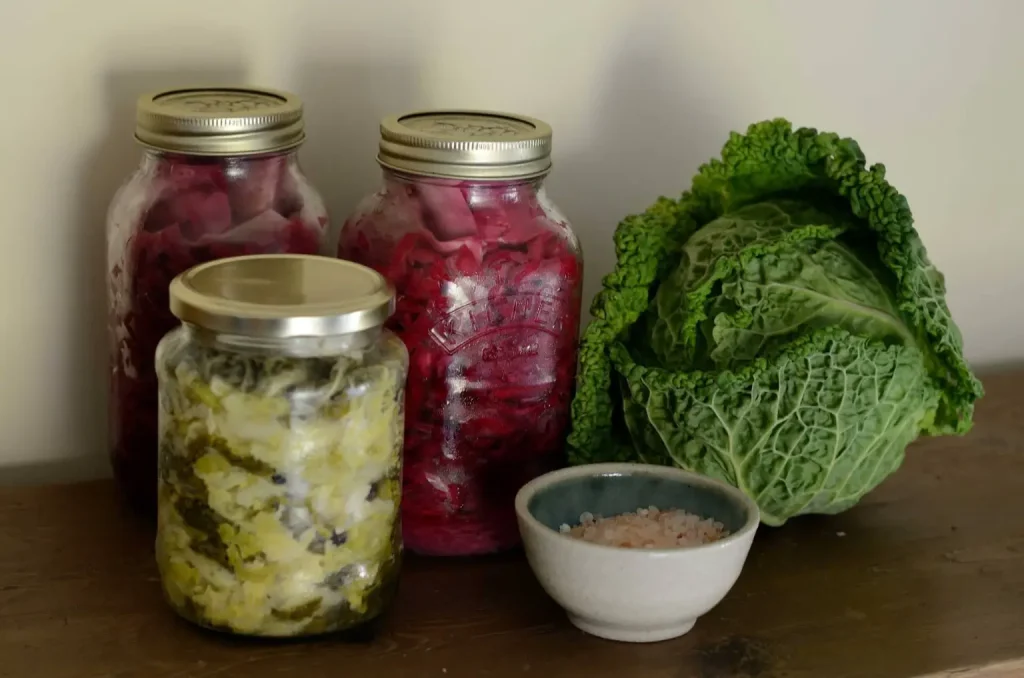
A few months ago, we made homemade sauerkraut, which tastes nothing like we buy at the grocery store.
Homemade sauerkraut is crunchy, and the juices are perfect for drinking (if you’re into that) or as an addition to soups, sauces, dips, and drinks.
We’ve also used sauerkraut juice in our marinade for chicken and beef.
As with pickle juice, you can use sauerkraut to make the next recipe of sauerkraut or pickled vegetables.
Lemon, Lime, and Orange Rinds
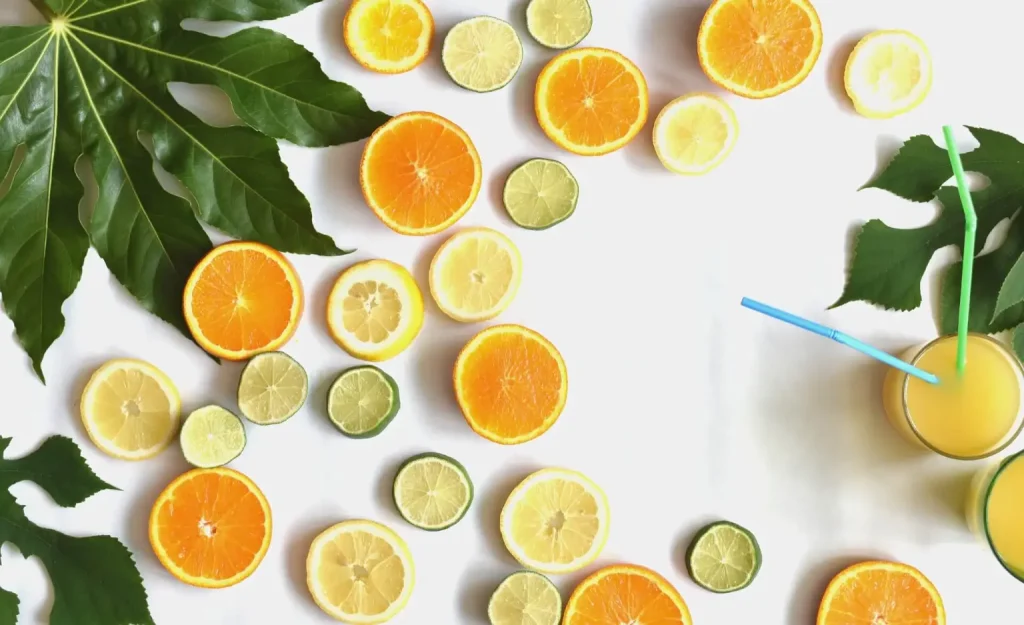
Lemon and lime rinds are great for making a simple syrup reduction to pour over poke cakes or use in drinks.
We cut and slice the peel of lemons and limes and store them in the freezer for later use in cakes or other infusions.
If we can buy fresh lemons, limes, and oranges on the reduced rack, we will scoop them up quickly; otherwise, out of season, they are pricey.
Another delicious treat that you can make with your leftover lemon and lime peel is a candied peel.
Food Scrap For Bone Broth
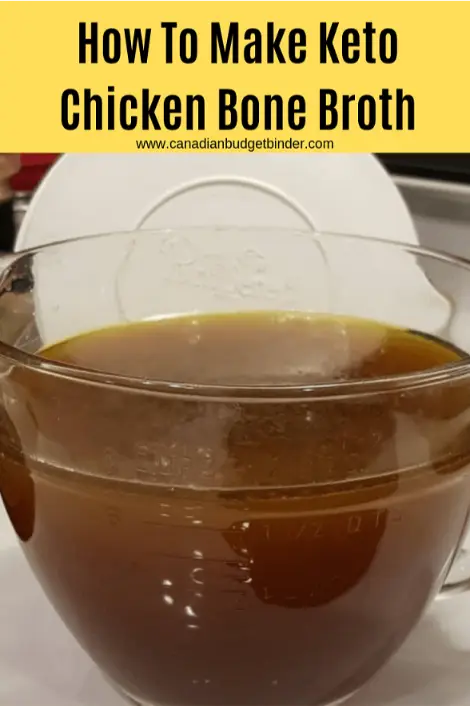
Food scraps like the ones below can be used to make a delicious homemade vegetable, seafood, or bone broth.
You only want to remove any nutrients and flavours in the food scraps.
- Onion peels
- Carrot peels
- Celery Tops
- Fennel greens and stalks
- Mushroom Stems
- Chicken Bones
- Shrimp Shells
- Corn on the Cob (once you remove the corn kernels, use the cob in your broth)
Apple Food Scraps
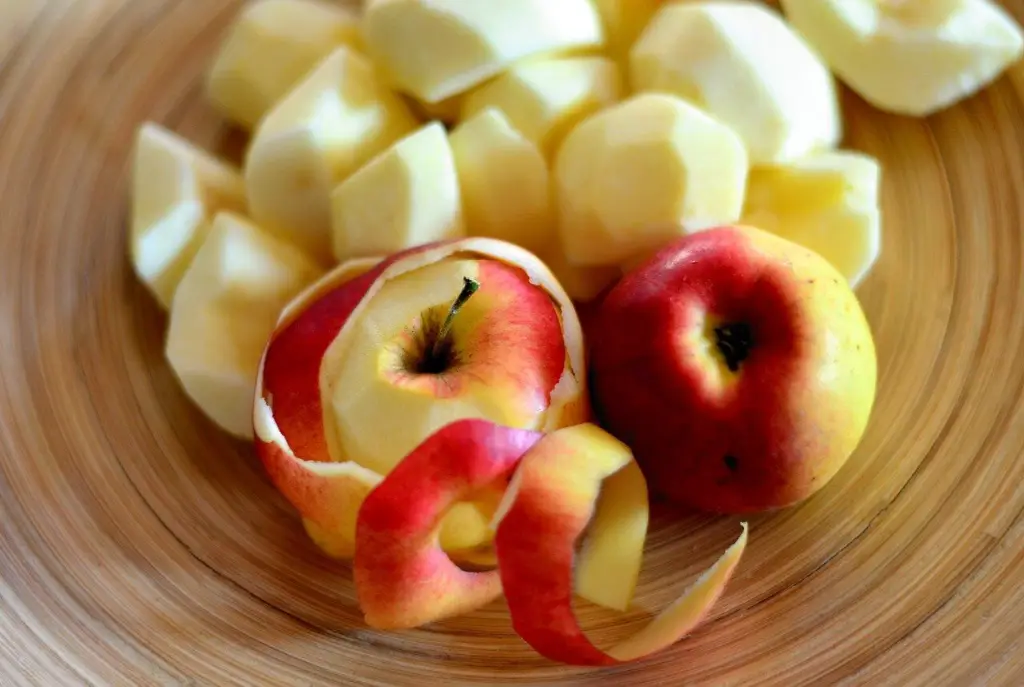
We use a lot of apple cider vinegar in our house and never thought much about making it ourselves.
A typical Costco bottle of organic apple cider vinegar costs $7.99 for 2L.
That doesn’t seem like much; however, if we can make it nearly free, why not try it?
Since we have a massive crab apple tree in our back garden that we often gift the fruits away, we’ll use them this year.
To make easy homemade apple cider vinegar, all you need is three ingredients,
- Apple Scraps
- Water
- Honey or Sugar
Over two weeks, the apple scraps will go through a fermentation process and produce apple cider vinegar.
Food Scraps Are Delicious
Unless you are willing to think outside the norm regarding food scraps, you probably won’t use them.
For those of you who are thinking about money savings, food scraps are delicious to use in so many recipes.
Discussion: What food scraps did I miss that you use at home?
Please tell us what procedure to use in the comments below.
Mr. CBB