


Estimated reading time: 12 minutes
Learn how to combat wasting money with insightful advice and frugal living strategies from Canadian readers like Angela Mainse.
I’m compelled to continue sharing frugal living experiences with my readers, especially in the face of a recession.
Today, Angela Mainse explains how years of frugality have made her an expert on saving money for her family.
With many Canadians struggling to find affordable living, pay bills, and put food on the table, some may feel going into debt is the only way to survive.
What can we do together to fight back against the bureaucracy of government?
Not much, because I’m convinced we can only help ourselves.
We can share, educate, assist, and treat people with kindness and respect.
Everyone has a backstory, and not all Canadians waste money in the same way, if at all.
Countless readers tell me they have no more budget to trim, and I wish I could do more.
Often, simply reading about what others have been through can form a bond, even between strangers online who share a common experience.
Let’s discuss and identify expenses that may be contributing to your budget shortfall.
Frugal For Life
I’ve been frugal and cutting back for years, and I’m not a big fan of waste.
We’ve reduced our expenses for years in numerous ways by thinking outside the box.
Doing so allowed me to return to school several years ago; I was out of work, and my husband only worked part-time.
In all that, we tightened our finances enough that we never had to give up cable TV and took on no new debt.
We could eat for $30 or less a week for three when our son was in middle school.
Even if we can’t reach our grocery budget target, we will continue to work with the same principles.

Before this story blew up on my Facebook page, I had written ten items Canadians might want to review.
You’re not expected to relate to each one, but ask yourself whether it’s something you can do without to help get you to your financial goals.
For example, finishing our basement will cost upwards of $60,000; we need to buckle down and save to pay cash.
Reflect on your priorities and start jotting them down, taking into account your expenses.
1. Subscription Boxes
I’ve tested meal kit subscription boxes, and although tasty, I couldn’t justify the expenses.
Subscription boxes may be filled with a variety of items, including monthly gourmet foods, pet foods, wine selections, beauty products, or junk food.
These types of boxes are designed in such a way that subscribers love personalization.
Aside from the costly aesthetics, are you saving money or wasting money?
2. Paying Interest On Credit Cards
I’m not a fan of paying interest, but there are times in our lives when we have to.
For example, we pay interest on mortgages, cars, and school loans.
Credit cards, in my opinion, have some of the highest interest rates designed to sink and float users.
Pay the minimum balance, and you’re floating but sinking in debt like a revolving door.
Be the person credit card companies despise, and that’s someone who never pays interest.
If you’re wasting money on interest fees, get rid of the debt and keep your ship far away from the deep sea.
3. Utilities
Wasting money on utilities will always be a thorn in our side unless we address it.
Review your utility bills and identify potential changes that can help reduce your bill.
For example, investigate where the water goes if your bill has increased.
I only wash clothing in the evening by setting the wash after 7 pm to take advantage of cheaper rates.
The Ontario Electricity Support Program is another avenue to explore for low-income earners.
4. Coffee Pods
Some people will argue that brewing coffee at home with coffee pods is cheaper than buying coffee at the shop.
I agree that this may be true, and for some people, coffee pods are the sacrifice, but for others, it’s still the menace.
Do the math and consider your goals, as well as how quickly you want to reach zero debt or accumulate a savings goal.
5. Eating At Restaurants/Fast Food
Canadians waste far too much money on fast food and eating at sit-down restaurants.
One meal on a bill with a tip, and you’ve got at least a week’s worth of groceries for one.
6. Buying Too Much Junk Food
When grocery money is tight, start crossing junk food off your shopping list.
There’s no room for junk food when you’re without food or living on a tight budget.
7. Big Houses/Condos/Apartments
All I have to say about Canadians wasting money buying a bigger space than needed is that it’s costly.
Although the banks or mortgage lenders say you can afford it, do you want to be tied to a mortgage for years?
Have you considered what might happen if the primary breadwinner loses a job, is critically injured, or dies?
Are you even using the space, or is it to show family and friends how successful you’ve become?
Related: Should I buy a cheaper or more expensive house?
8. Alcohol
Buying alcohol for home or enjoying drinks on the town should not be a “need.”
If you’re drawing on debt, consider removing or reducing the amount of alcohol purchased.
Retired last year and checked all our extras then got rid of those listed above and then made our budget.
Except alcohol, it’s our indulgence but watch for the lowest price and get it then.
Nancy Holborn- CBB Facebook
9. Telecommunications
Coming from the UK, I can safely say that Canadians get hosed on everything from cable to Wi-Fi to mobile phones.
Over the past two years, we have eliminated our home phone and our cable service with Rogers, and we haven’t looked back.
We have Amazon Prime, which includes free movies, and an Amazon Fire TV Stick to watch enough television to keep us entertained.
There was a point where I wasn’t sure if we could do without cable, but looking back, it was just an excuse.
Often, it’s taking the leap that’s the most challenging part, but the savings were worth it.
10. Gambling
Canadians, like most countries that offer gambling, love to wager money to win money.
Occasionally, we buy lottery tickets, but it’s certainly not an everyday or weekly purchase.
People get excited when they win $100, but forget that they spent $ 1,000 to win it.
I remember Mrs. CBB’s conversation about her bingo days in her 20s.
She was lucky at bingo and won many jackpots in her time, but was told by a regular woman that she must track what you spent vs. what she won.
Unless you do this, you won’t honestly know if you’re ahead or behind when gambling, whether at the casino, bingo, or with lottery tickets.
If you win big bucks, you will be ahead, but that depends on how much cash you drop.
Did you know that some casinos fly high rollers in via helicopter and have a secret entrance into the casino?
True stories from friends in the casino industry reveal shocking tales.
Other Ways Canadians Are Wasting Money
Canadian Budget Binder Facebook readers wasted no time sharing ways they were wasting money, but have since kicked the habit.
- Buying Garden Plants That Are Not Food – Lori Novak
- Designer Brands – Lori Novak
- Banking Fees – Sharron Willcox
- Subscriptions That Were Free But Forgot To Cancel – Lauren Lendvay
- Gaming Subscriptions and Items For Kids, such as Roblox, Animal Jam – Stephanie Porter
- Manicures and Pedicures – Lori Novak
- They are overstocking On Grocery Items And Not Using Freezer and pantry items, resulting in food waste – Lisa McMahon.
- Not Price Matching – Elizabeth Whitmore
- Buying Cigarettes – Amanda Masters
- Amazon Membership – Buying What You Think You Need or Impulse Buying – Christina Scotburn
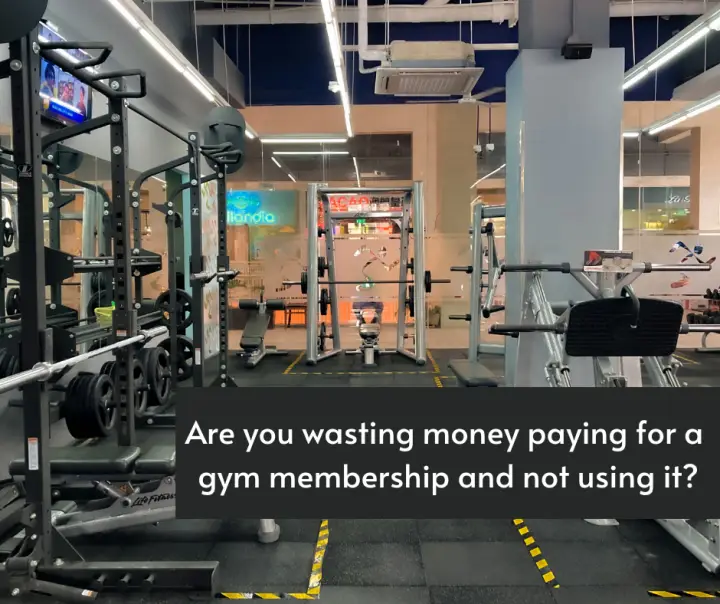
- Purchasing a Gym Membership and not using it – Sharron Willcox
Investigate Your Money Flow
Canadian Budget Binder reader Angela Mainse had lots to say about wasting money.
As a long-time reader and top fan on the CBB Facebook page, she has a wealth of information.
What I liked about how she responded to my call for input from my CBB readers was that she was on top of everything.
She knew what she wanted to say because she had already done the research and knew where she didn’t want to waste money.
If more Canadians took the time to dig deep into where they are spending their money, they would often find holes in their budget.
Another point I want to bring up is that we need to squash the stigma of being afraid to talk frugally.
There’s nothing wrong with wanting to save money and sharing ways wasting money has impacted each other.
Stop Wasting Money Now!
Heating and cooling, temperature control, excessive water use (long showers, baths too often, a leaky faucet or toilets, running the dishwasher half empty if you have one)
For Ontario residents not planning around electricity time-of-use, I cook on the weekends and strictly reheat for much of the week.
Atlantic Canada has just as much, if not more, to worry about regarding debt and affordability.
The new MNP Consumer Debt Index suggests Atlantic Canadians are more concerned about their ability to pay off debt than anyone else in the country.
Perhaps most concerning is the survey’s finding that 62 per cent say they will be in “financial trouble” if interest rates go up higher.
Twenty-seven per cent of people in Atlantic Canada say they already don’t make enough money to cover all their expenses.
An increasing number of respondents say they have borrowed money that will be difficult to pay back quickly, have taken loans from friends or family, and are dipping into their savings.
Country 94.1
Wasting Money In The Kitchen And The Garden
Using the oven to cook only one thing – when I hear it, I always have multiple items to be cooked.
Half loads of laundry, dry when needed, and hang dry for the remainder.
Food waste – better pantry rotation helps with that. I don’t follow the first-in, first-out method; instead, I sort by best-before date, which often affects the order.
Repurpose food scraps – our apple peels become apple juice, potato peels become roasted, potato-like chips, and other vegetable scraps and meat bones become large stock.
Other compost is used for the garden to grow vegetables.
Grow a garden, be it a full one or just something in a pot, and save seeds each year.
Eating Out Affordability
Reduce takeout or restaurant dining – it’s nice to have a treat occasionally, but choose wisely.
For us, that’s likely once a month, unless it’s January, when we spend only on bills and groceries.
Wasting Money Paying Full Price
I hate paying full price for anything; so many people do. We watch sales instead and work them into our budget.
Paying Credit Card Interest – Save Money First
Save for something before putting it on a credit card – it can result in wasting too much interest.
We went without a dishwasher and a clothes dryer for many months to save and get the sale we wanted.
Wasting Money By Not Negotiating
Not negotiating your cable, phone, and TV bills if you have them is potentially wasting money. We could eliminate it, but we don’t want to go without small luxuries.
We negotiated with the company for reductions, and someday we may eliminate it, but it fits within our budget for now.
Related: How to negotiate a deal with Rogers Communications.
Not Planning For Life Insurance
We are not getting life insurance early enough, as the costs increase as you age.
Ideally, we should have obtained more than we initially thought we needed; new policies will never be as affordable.
Repair Instead Of Replace
Considering this further, replacing clothing items that can be repaired is a significant financial drain.
The soles came apart on my winter boots last year, so I bought Shoe Goo and fixed the soles rather than buying a new pair of boots.
Even on clearance, I would never have been able to get boots as cheaply as I did, and I didn’t even use them all.
I still sew holes in socks or repair seams in clothes rather than buying a replacement until it’s no longer repairable, then I repurpose it if I can.
Socks and towels that can’t be fixed become rags for cleaning, reducing the amount spent on paper towels.
Taking Inventory At Home
It does not know what you have at home, and buying replacements – food, batteries, cleaning supplies, toiletries, and storage containers.
Unless it’s a great stock-up price, I hate getting something I already have
Wasting Money Buying What You’ll Never Use
I am purchasing objects that collect dust – appliances, fitness equipment, and anything you’ve bought and haven’t used.
I use it if I buy it or if someone in the house does.
Still trying to love the air fryer, though; I use it; we got it for free with points at Canadian Tire ages ago and didn’t love it.
It will not be replaced at the end of its life cycle.
It wasn’t part of the fad of getting one; we saved up points for years until we got it, and we didn’t redeem extra points at the sale price I wanted.
Your Finances Fund Your Lifestyle
Although many of the tips shared today are relevant for everyone, some may not be.
I say this because not everyone has the same financial lifestyle.
An example might be that I enjoy spending my allowance on beer when someone else may find it a waste.
What needs to be done is a complete examination of where money is being spent.
Whenever someone does this, it’s essential to be realistic and avoid making excuses for expenses.
If I were $ 5,000 in credit card debt and buying beer, anyone on the outside would see that as a waste of money.
I would have to agree that my allowance would be the first thing to go if I had consumer debt.
Determine which financial goals are essential and what needs to be accomplished.
For example, consider the fastest repayment plan if you’re in debt for $1000.
Related: How the snowball debt repayment plan works.
Although all the ways Canadians waste money may be relevant, they may not apply to your situation.
The idea is to review where your money is being wasted and find ways to improve your debt-to-income ratio.
Angela’s final words about her frugal living journey resonated with me because Mrs. CBB and I can relate.
It was worth the hardship, and the habits never went away.
Happy Budget, Happy Life.
Thanks for stopping by,
Mr. CBB
Discussion: Have you recognized ways you were wasting money and made changes?
Share your comments below.
Thanks Mo. We can sum it all up on needs vs wants. And from what your Facebook members pointed out, it’s obvious that wasting money is more subjective than objective. To some, a gym membership is a waste while others see it as an achievement. So in the end, it all boils down to the individual situation, their personal values and ambition.
Hi Hope,
I agree yes everyone’s situation is different and I’m hoping the post allowed the readers to consider their circumstances.