


Start your journey with beginner budgeting skills. Learn essential techniques to create an effective budget plan today.
Beginner budgeting can be overwhelming for newbies, so I’ve simplified the process. You may find that budgeting is easier than you thought once you get used to the process.
Fortunately, I’ve got the free tools, personal experience, and tips to get you started.
Let’s learn about budgeting together.
Budgeting Is More Than Tracking Numbers
This beginner budgeting guide is for the person who hasn’t budgeted before or wants to learn more about various types of budgeting concepts and mistakes along the way.
The importance of managing money and budgeting goes hand-in-hand, and if you want to create a results-driven budget plan and are serious about your debt freedom, you’ve come to the right place.
We were, and budgeting helped us go from renting a room in a basement to having a mortgage fully paid off before we turned 40.
That was our goal.
When I talk to people budgeting for the first time, they express that budget anxiety is one of the reasons they’ve stayed away from using a budget in the past.
I get it, and I don’t blame you because money and budgeting are a big deal.
They were hesitant, worried, and unsure of how to budget, so they left their finances to the wind, which eventually blew them away, literally.
The good news is that if I just described you and you’re here, you’re well on your way to debt freedom.
Taking the first step is the hardest, like with anything in life that may cause us to hold back because of uncertainty.
One of the first steps when starting your budgeting journey is to talk about it.
The more you learn about budgeting, the better you will feel about taking more profound steps into the world of finance.
Oddly enough, you may turn into a finance nerd like me and love everything to do with budgets.
I’ll be honest, it may seem like chaos at times, but once you have your budget set up, it pretty much works on its own, apart from your input each month.
Budgeting Systems are NOT Bullet-Proof
We all make mistakes, and if you do, sort them out and move on.
Some of the most common budgeting mistakes we’ve seen over the years have to be when people use their gross income instead of their net income to budget.
The idea is to use your employer’s net income in your bank account in your budget.
If you have to pay income tax on that amount of money, you must deduct that first.
Whatever you have left is the money you use to budget, and is called your net income.
Creating A Beginner Budgeting Plan
A budgeting plan is PART of the solution, whether you are new at budgeting or not.
Below are three false moves that people make and can cripple your budget plan.
- Making Budgeting too complicated
- Not reviewing your budget
- Being too optimistic
These three flubs alone can cause your budgeting system to crash and burn to leave you to abort your debt-free mission.
Let’s make sure this does NOT happen to you.
If you feel worried, don’t, because budgeting is not as hard as it seems, but it takes your motivation before everything else falls into place.
If you want to be happy, only you can make that happen.
The same goes for your financial health.
If you want to be debt-free and happy about where you are financially, YOU have to make that happen, which takes WORK and plenty of mistakes.
Learn from them and move on.
What is budgeting?
So, what is budgeting?
I mean, you really should know what budgeting is about BEFORE you start your journey, right?
Of course.
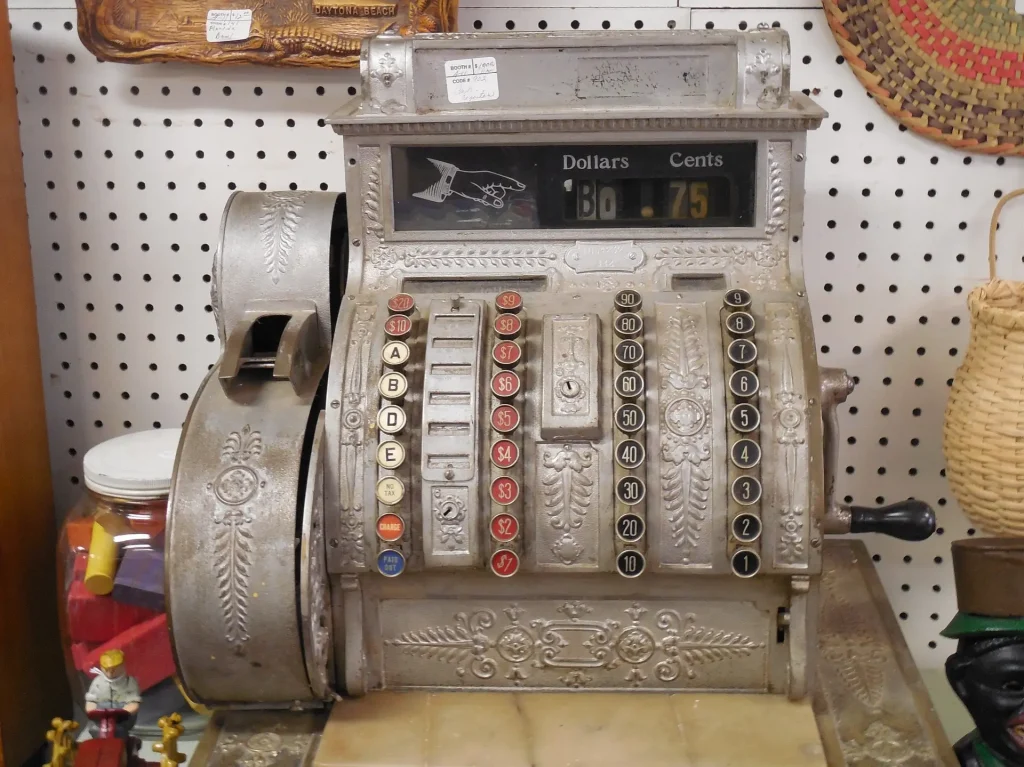
Budgeting means understanding dollars and cents by creating a budget plan.
Budgeting teaches you financial discipline without feeling as if you are locked behind bars because budgeting is none of that.
Because you want to become debt-free, the easiest way to explain budgeting is that it is a means for you to balance the amount of money you bring in, along with the money that goes out.
The idea is to target all budget categories of your life each month and make sure they are getting paid, which includes you.
Investing Is Part Of Budgeting
YES, you get paid too, even if that means stashing money in emergency savings or investing in a Registered Retirement Savings Plan (RRSP), Tax-Free Savings Account (T.F.S.A.), or other pension schemes that will help you when you retire.
Start investing early, and you’ll be glad you did. Even if you’re a late starter, now is better than never.
Saving a dollar a day or a dollar a month is better than saving nothing at all.
Your money pool can be empty, or your money pool can have hope; the choice is yours.
Why do we need to budget?
Budgeting tells you how much money you bring home and how much money is left before it even reaches the front door.
The idea around budgeting not only helps you to control your expenses to help build a nest egg, but it opens your eyes to lowering household expenses to help increase your savings power.
Tools Needed For Beginner Budgeting
There are five simple finance tools you need to start a basic budget
Based on the type of budgeting system you use, these are the essential tools needed.
- Pen
- Pencil
- Notebook
- Calendar
- Receipt Folder
- Envelopes/Jars
- Printable Budget Sheet
- Goals
- Mindset
- Determination
When Should You Start Budgeting?
Waiting for a living wage is the worst thing you can do before the budget.
I have talked to many people who think they need to wait until they earn enough money before setting up a budget and tracking their expenses. WRONG.
Personal finance can take its toll on anyone, which can cause stress health problems, both of which can interfere with employment.
Budgeting is a big deal in Canada.
A recent 2018 Sanofi Canada healthcare survey found that
Personal finances have an impact on health, as just 26% of people in poor health describe their financial situation as excellent or very good,compared to 59% among those in excellent or very good health.Fourteen percent of plan members describe their current financial situation as poor, a result that is likely overly conservative due to self-reporting

You want to know about budgets the moment you get your first paycheque.
That might sound ridiculous, but it’s not; hear me out.
Have a look at the young man above delivering newspapers. That used to be me, and I loved it.
Teach Kids About Budgeting Early
If you’re a parent reading this, I want you to know that my first job was as a paperboy, and I saved every dollar I earned in the bank.
I didn’t use a budget back then, but my parents taught me about saving money, so I knew not to spend it all.
They sat back and watched me turn into a saver; something they said was a bit of a shock, but they were happy about it.
What I would have loved to have done with my money was budget it even though my budget categories would have been limited.
In my head, I told myself that I wasn’t allowed to use my money unless I had to, but in all fairness, there has to be a balance in everything we do in life.
Try not to back yourself into a corner and allow yourself rewards for reaching milestones along the way.
Allow part of your goal setting, small rewards for following through, which helps with motivation.
Perhaps your reward may be a healthy bank account, and if that’s what makes you happy, then so be it, but know to give yourself options.
Budgeting Regrets
Had I used a budget, I would have understood choosing budget categories and allotting money into each to build a portfolio of cash for things I needed and occasional wants like that ice-cream cone up the street at the shop.
There’s the budget nerd in me talking again, but when you are 10, I’m sure they teach math in school, and budgeting is simple math.
You should make budgeting part of your life if you have an income and pay bills.
What Types Of Personal Budgets Are Available?
The only way to understand which budget will work best for you is to know what you want from a budget.
Why are you budgeting in the first place, and what will make you happy at the end of the day?
The Cash Budget
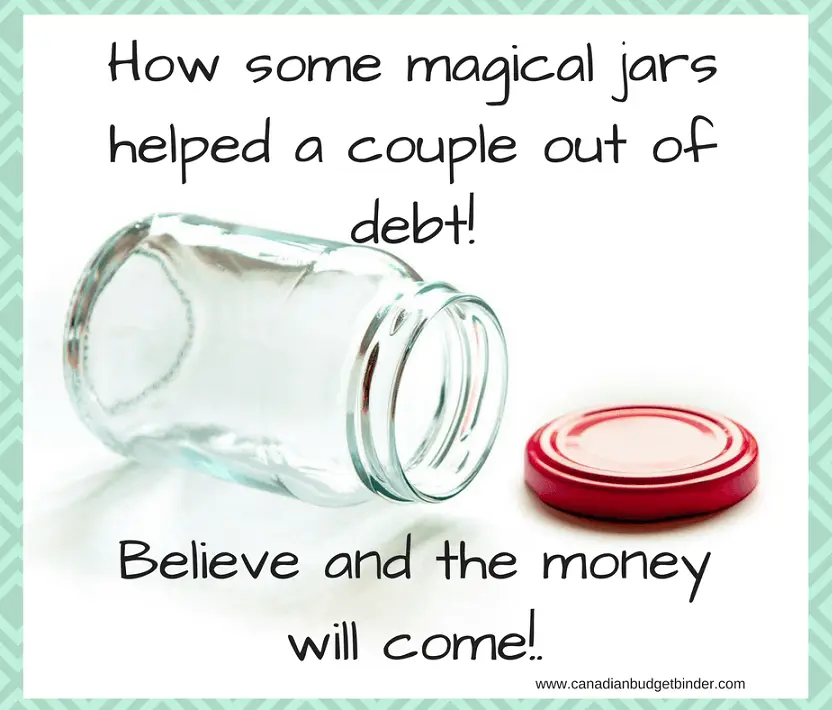
Cash budgets are significant for people who don’t want to deal with Excel spreadsheets, bank cards, credit cards, and so on.
Using budget jars has been widely popular over the years, and the system is relatively easy to start.
Most people may progress into other budgeting forms once they get comfortable using cash rather than multiple money sources.
Another cash system for budgeting that is popular, similar to the jars, is the cash envelope system.
This money-saving budgeting system works great for teens who are looking to start a basic budget or for those who would rather have cash on hand at all times.
The Basic Budget
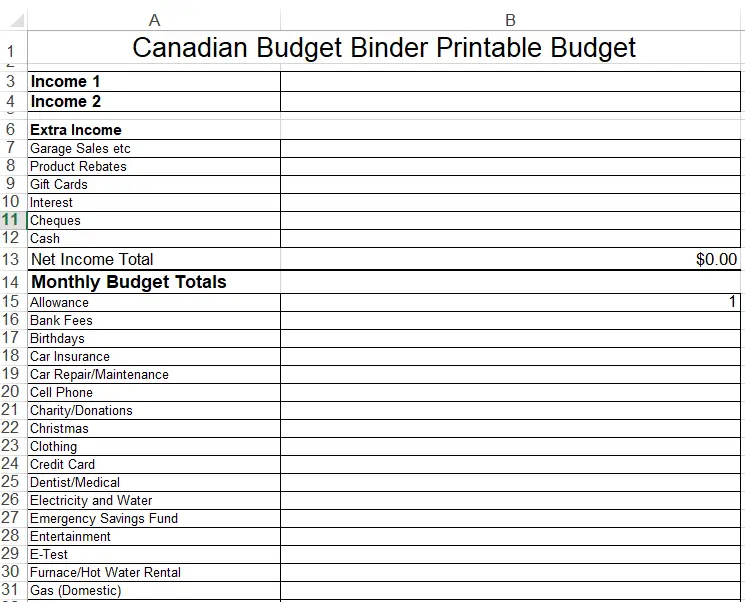
The bare-bones budget is precisely what it sounds like, primary and to the point, similar to the K.I.S.S. (Keep It Simple Silly) method.
A basic budget is all you need when starting your budgeting journey, especially when learning how a budget works.
This type of budget targets essentials that most everyone has to pay for each month.
Over time, you can add more to this budget, but it’s a starter budget for newbies that won’t chase you away.
Zero-Based Budget
The zero-based budget leaves no amount of money at the end of budgeting as it’s all got a place.
Every dollar you earn has a role in your budget, and once it enters, it doesn’t leave.
You will want to make sure to subtract your income from your expenses, which should equal zero.
We use this type of budget in our house because of the categories and projected expenses.
Anything that is left goes directly to our savings.
Just remember, though, a balanced budget doesn’t necessarily mean that the budget is foolproof.
You always have to visit your budget and do a budget audit to ensure you’re on track, not once but often.
The 50-20-30 Budgeting System
The 50-20-30 budget spends 50% of income on needs, 20% on savings, and 30% on wants.
Related: How to Use A 50-30-20 Budget. This is the same as the 50-20-30 budget.
I call the lazy budget because there are only three categories, but it’s a great starter budget for those who aren’t interested in tracking every dollar they spend.
Not my first pick, but it’s an option.
Irregular Income Budgeting
An irregular income budget is a budget that works for those of you who don’t get paid weekly or bi-weekly.
You might get paid once a month, twice a month, or every other month.
Some months you might get paid more and others less.
The idea of the irregular income budget is to balance paying your bills and other debts while making sure your different categories are fulfilled, such as groceries, petrol, clothing, and so on.
Budgeting can be strict with irregular income, but there are always options.
Tracking your expenses for a few months will help you design this budget and take the lowest amount of income you receive to base it on.
For example, if in 3 months you earned $2000, $3000 and $2500 each month, then base your irregular budget on the lowest of the 3 $2000.
You can visit this often based on changes in income or other employment offers.
Other Types of Beginner Budgeting Systems
Some people may call retirement budgets, survival budgets (living pay to pay), or debt freedom budgets.
Whatever you choose to call your budget, make it your own and customize it the way that works for you.
Your financial goals will ultimately dictate what type of budget you choose.
There are also the following types of budgets below but don’t get spooked by them.
We are daily budget checkers because we add our receipts as we go along, which means we visit our budget at least once a day.
- Daily Budget
- Weekly Budget
- Bi-Weekly Budget
- Monthly Budget
- Yearly Budget
- Budget in your head budget *exactly what you are thinking, don’t do it.
Whether you choose the jars, envelopes, cash, or naming a budget, you make up to fit your financial world.
The name of the budgeting game is to make money last until the end of the month.
How to make the proper calculations for your budget
What Should Be Included In Your Budget?
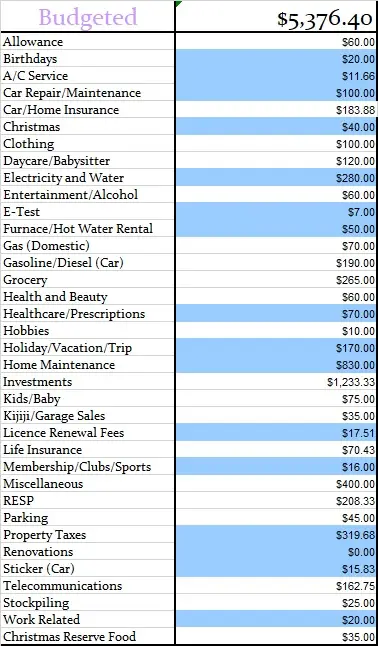
Coincidentally, this is always a popular question, with a simple answer.
Everything that deals with money and debt must be included in your budget.
What does this mean for you?
In short, it means that if you owe money, you want that in your budget because you have to pay it back.
If you have bills to pay, whether it’s now or later in the year, you want to make sure you are saving for that now and not waiting until the bill comes due.
Your budget categories must target all the necessities, also called fixed expenses, such as a mortgage, rent, utilities, insurance, car payments, and so on.
Then there are variable or variable expenses, which can change from month to month, such as grocery expenses, cell phone, gas for your vehicle, health, and beauty expenses.
Five Ways To Cut Your Budget To Save Money
These are also the expenses that you will look at first if you need to trim your budget because you cannot balance it or economic changes have come about.
It’s far more challenging to change fixed expenses without moving somewhere cheaper.
How To Create A Simple Budget Binder
New!!! Subscribe to Canadian Budget Binder and get FREE Access to my 50-Page Printable Budget Binder that I created to help YOU save money and pay off DEBT!!
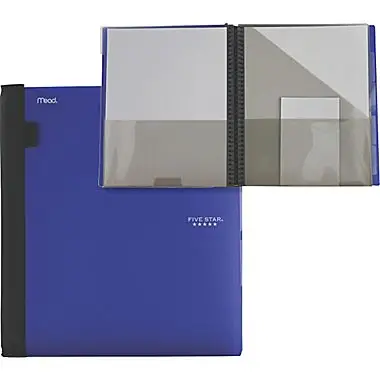
The Budget Binder is a great way to store all of your budgeting needs if you want to go the binder route.
Overall, a budget binder keeps paperwork and bills organized each month.
A budget organizer is a MUST with budgeting because you will find that receipts will come piling in, and you will want somewhere to store them.
The idea behind the budget organizer is to keep organized.
No more looking around for lost papers and bills because I’ve got a step-by-step way you can create your simple budget binder and never worry about losing your important documents again!
Budgeting Rules You Should Never Break
There are a few budgeting rules that you should never break, and that’s because once you start to feel comfortable financially, it’s so easy to throw in the towel and think you are home free.
Nah, Nah, Nah, it doesn’t work that way.
Budgeting is for life, and whether you want to accept that or not depends on how badly you want your financial success to last you until your death.
- Talk about what you buy
- Talk about your budget and plan
- Stay organized, stay successful
- Don’t be a budget cheater
Our 10-Step Beginner Budgeting Series
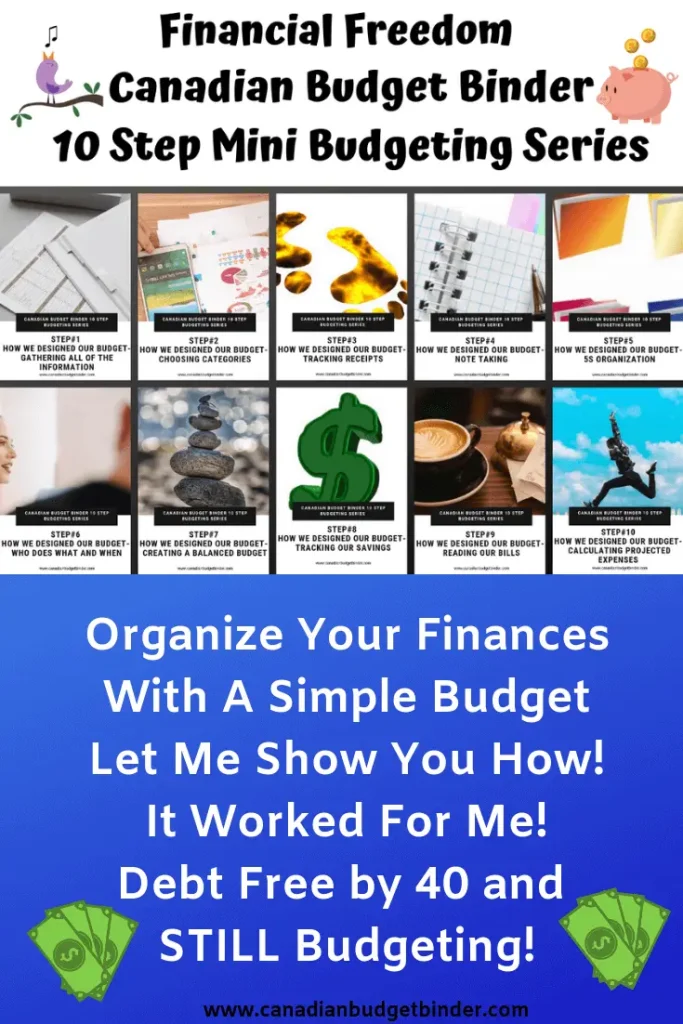
Below is our Basic 10-step Beginner Budgeting Series that we created for Canadian Budget Binder back in 2012 and updated in 2019.
You will find that it’s not elaborate or overwhelming for the first-time budget learner because we set it up that way.
Not much has changed apart from our couponing habits since we don’t use them these days.
These are not downloadable but educational finance tools that will help you grasp basic budgeting skills.
- How We Designed Our Budget Step 1– Gathering All the Information
- How We Designed Our Budget Step 2– Budget Categories
- How We Designed Our Budget Step 3– Tracking Your Receipts
- How We Designed Our Budget Step 4- Making Notes
- How We Designed Our Budget Step 5– Staying Organized
- How We Designed Our Budget Step 6– Responsibilities
- How We Designed Our Budget Step 7– Balancing The Budget
- How We Designed Our Budget Step 8– Knowing Your Savings
- How We Designed Our Budget Step 9– Reading Everything
- How We Designed Our Budget Step 10– Projected Expenses and 3 Foolproof Ways to Save for One-Time Expenses
Should You Budget Before Buying A House?

Yes, Yes and a BIG YES, you should create a pre-mortgage budget before signing the real estate papers.
Most people start to panic when they want to buy a house but aren’t sure if they have saved enough money or can afford to pay for a mortgage.
If you’re reading this blog post today because you’re buying a new home and are worried, you should be.
A mortgage is a BIG step and one of the most significant purchases you will ever make.
I would suggest creating a budget that works with your current income and budget categories, plus an added mortgage *add to your current rent if you rent) which includes property taxes and home maintenance.
Related: How To Test Budget Mortgage Before Buying A Home
It’s better to be a budget warrior than a budget loser who loses it all because they failed to invest in themselves from the start.
Audit Beginner Budgeting
An audit is an official examination and verification of accounts and records, especially of financial accounts.
Just because you’ve started to budget now doesn’t mean that you are home free.
Beginner budgeting means that you go from one level to the next, so conquer one and move on.
Don’t trick yourself into believing you’re a budget rock-star and all your debt will be wiped out and lead you to easy street.
Depending on how much debt you owe, becoming debt-free takes time.
It’s nice to be optimistic, but on the other hand, being overly optimistic can hurt you as well.
Once you’ve completed creating your budget, you should always follow up with a Personal Budget Audit.
A personal budget audit is a way for you to know whether or not the budget you chose to work with is working for you.
There are questions you need answers to, and if you find you are struggling, you will need to make changes.
Beginner Budgeting From A to Z
When you do reach debt freedom, don’t trash your budget because giving up on something you’ve worked so hard to achieve certainly seems to be a failure in its own right.
Be proud of your success and continue down the same road by applying the same directives and patterns.
Even if that includes continuing to budget or following a different budget, that may not be as detailed.
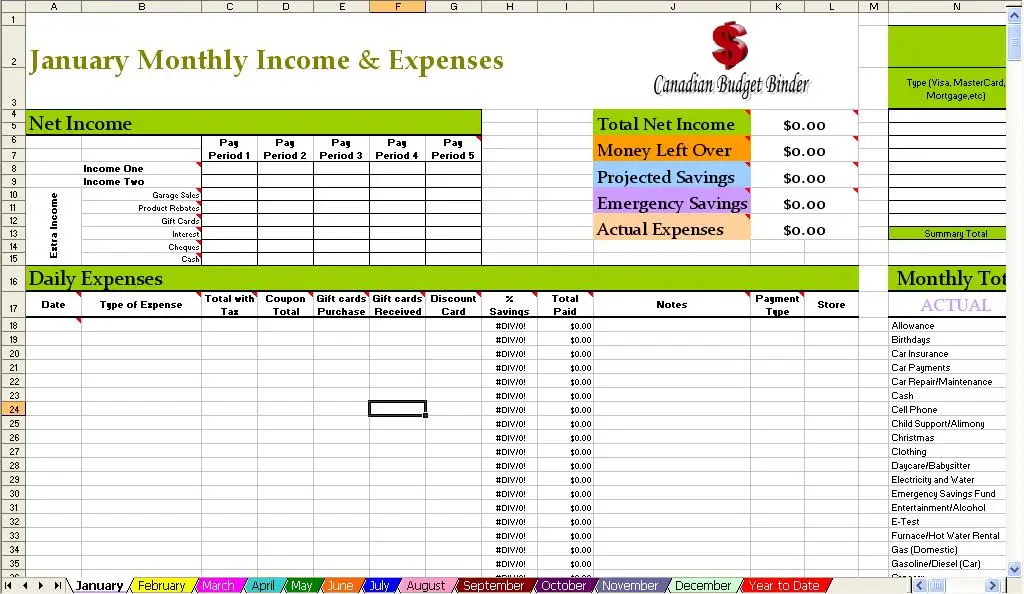
Beginner Budgeting Is The Backbone Of All Budgets
I wish you the best of luck, and don’t stop reading here; there are hundreds of informative blog posts that I’ve written over the past ten years that you should read.
Plus, if you haven’t already, head over to my Free Downloadable Tools and Resources page and get your FREE Budget Excel spreadsheet or your Bare Bones BASIC BUDGET at no cost.
There are loads of other free printable sheets that will help keep your budget in check.
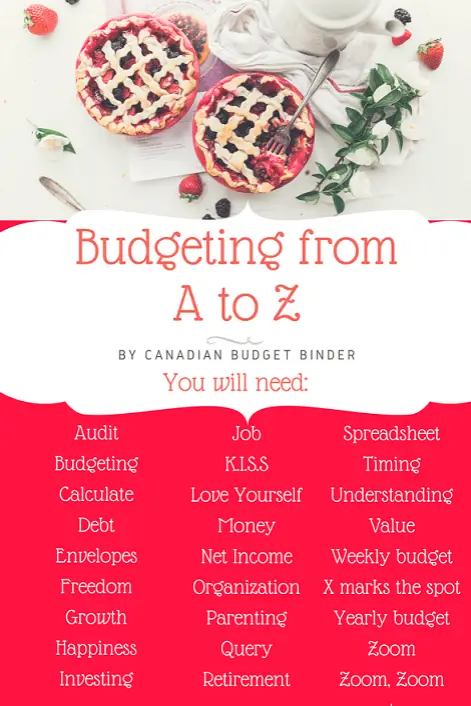
- Zoom, Zoom, Zoom.
- Zoom, Zoom.
- Zoom.
It’s Not About How Much Money You Make It’s How You Save It
Read a C.B.B. Fan Success Story… One Family in Debt goes from no budget to Budget Success!!!
Discussion: If you have any other tips that have not been discussed in this article, please leave your comments below.
Thanks for stopping by,
Mr.CBB